
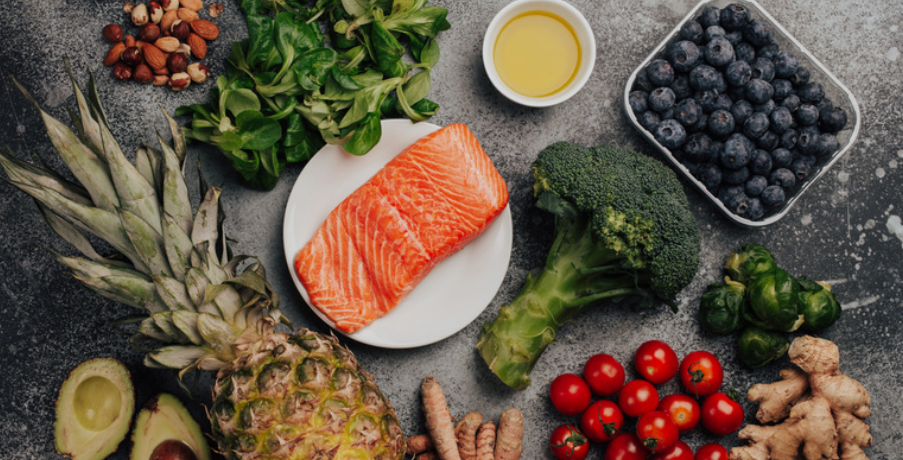
A vegetarian diet is a way of eating that focuses mainly on plant-based foods while avoiding meat, poultry, and, depending on the type of vegetarian diet, fish and other animal products. Vegetarian eating has become increasingly popular among people who want to eat more vegetables, fruits, legumes, whole grains, nuts, and seeds.
For beginners, switching to a vegetarian diet can seem confusing. You may wonder what foods you can eat, whether you will get enough protein, how to plan balanced meals, and what nutrients you need to pay attention to. The good news is that a well-planned vegetarian diet can include a wide variety of delicious and nutritious foods.
This complete beginner’s guide explains what a vegetarian diet is, the different types, foods to eat and avoid, potential benefits, important nutrients, meal-planning tips, common mistakes, and how to start a vegetarian lifestyle successfully.
What Is a Vegetarian Diet?
A vegetarian diet is an eating pattern that excludes meat and usually poultry. Many vegetarians also avoid fish and seafood. However, vegetarian diets can vary considerably depending on which animal-derived foods a person chooses to include.
Instead of getting most of their meals from meat-based foods, vegetarians generally rely on plant foods such as:
- Vegetables
- Fruits
- Beans
- Lentils
- Chickpeas
- Whole grains
- Nuts
- Seeds
- Soy foods
- Potatoes
- Healthy oils
Some vegetarians also consume eggs, milk, yogurt, cheese, and other dairy products.
A vegetarian diet does not automatically mean that every meal is healthy. Foods such as sugary drinks, refined carbohydrates, fried foods, and highly processed vegetarian products can also be vegetarian. Therefore, the quality and balance of the overall diet are important.
Different Types of Vegetarian Diets
There is no single vegetarian diet. Different people follow different versions depending on their preferences and goals.
1. Lacto-Ovo Vegetarian Diet
This is one of the most common forms of vegetarian eating.
Lacto-ovo vegetarians avoid:
- Beef
- Chicken
- Mutton
- Pork
- Fish
- Seafood
They may eat:
- Eggs
- Milk
- Yogurt
- Cheese
- Other dairy products
This version can be relatively easy for beginners because eggs and dairy provide additional protein and several important nutrients.
2. Lacto-Vegetarian Diet
Lacto-vegetarians avoid meat, poultry, fish, seafood, and eggs but consume dairy products.
Their diet may include:
- Milk
- Yogurt
- Cheese
- Butter
- Vegetables
- Fruits
- Beans
- Lentils
- Whole grains
- Nuts and seeds
3. Ovo-Vegetarian Diet
Ovo-vegetarians eat eggs but avoid dairy products as well as meat, poultry, fish, and seafood.
Eggs can provide a convenient source of protein, while plant foods supply most of the rest of the diet.
4. Vegan Diet
A vegan diet is entirely plant-based and excludes meat, poultry, fish, eggs, dairy, and other animal-derived foods.
Vegans typically eat:
- Vegetables
- Fruits
- Beans
- Lentils
- Chickpeas
- Whole grains
- Nuts
- Seeds
- Tofu
- Tempeh
- Plant-based milk
Because vegan diets eliminate all animal products, careful attention to certain nutrients is especially important.
5. Pescatarian Diet
A pescatarian diet is sometimes discussed alongside vegetarian diets, although technically it is not considered vegetarian because it includes fish and seafood.
Pescatarians generally avoid meat and poultry but may eat:
- Fish
- Seafood
- Eggs
- Dairy products
This eating pattern provides additional protein and nutrients from seafood.
What Foods Can Vegetarians Eat?
A vegetarian diet can include a surprisingly large variety of foods. The key is to build meals around nutritious plant foods rather than simply removing meat.
Vegetables
Vegetables should be an important part of a vegetarian diet.
Examples include:
- Spinach
- Broccoli
- Carrots
- Cauliflower
- Bell peppers
- Tomatoes
- Cucumbers
- Cabbage
- Peas
- Green beans
- Eggplant
- Okra
- Potatoes
- Sweet potatoes
Eating different colors of vegetables can help provide a variety of vitamins, minerals, and other beneficial plant compounds.
Fruits
Fruits can provide carbohydrates, fiber, vitamins, minerals, and natural sweetness.
Good options include:
- Apples
- Bananas
- Oranges
- Mangoes
- Berries
- Grapes
- Guava
- Papaya
- Melons
- Pears
- Pomegranate
Whole fruits are generally more filling than fruit juices because they retain their fiber.
Beans and Lentils
Beans and lentils are especially useful for vegetarians because they provide protein, fiber, and several minerals.
Examples include:
- Kidney beans
- Black beans
- Chickpeas
- Green lentils
- Red lentils
- Black lentils
- Pinto beans
- Peas
They can be used in curries, soups, salads, wraps, rice dishes, and many other meals.
Whole Grains
Whole grains can provide carbohydrates, fiber, protein, and minerals.
Examples include:
- Oats
- Brown rice
- Whole-wheat bread
- Whole-wheat pasta
- Barley
- Quinoa
- Bulgur
- Whole-grain cereals
You do not necessarily have to eliminate white rice or refined grains, but replacing some refined grains with whole grains can increase dietary variety and fiber.
Nuts and Seeds
Nuts and seeds are nutrient-dense foods that can provide protein, healthy fats, and minerals.
Examples include:
- Almonds
- Walnuts
- Peanuts
- Cashews
- Pistachios
- Chia seeds
- Flaxseeds
- Sunflower seeds
- Pumpkin seeds
- Sesame seeds
Because nuts and seeds are calorie-dense, reasonable portions can help keep meals balanced.
Soy Foods
Soy foods are particularly useful for people looking for plant-based protein.
Popular choices include:
- Tofu
- Tempeh
- Edamame
- Soy milk
- Textured soy products
They can be incorporated into stir-fries, curries, sandwiches, salads, and other dishes.
Foods Vegetarians Typically Avoid
Most vegetarians avoid meat and seafood.
Common foods excluded from a vegetarian diet include:
- Beef
- Mutton
- Lamb
- Chicken
- Turkey
- Pork
- Fish
- Shrimp
- Crab
- Other seafood
However, exactly what is avoided depends on the individual’s chosen vegetarian pattern.
For example, a lacto-ovo vegetarian may eat eggs and dairy, while a vegan avoids both.
Is a Vegetarian Diet Healthy?
A well-planned vegetarian diet can be nutritious and can include many foods associated with a healthy eating pattern.
Vegetarians often consume significant amounts of vegetables, fruits, legumes, whole grains, nuts, and seeds. These foods can contribute fiber, vitamins, minerals, and other beneficial nutrients.
However, simply eliminating meat does not automatically create a balanced diet.
For example, someone could eat mostly:
- French fries
- White bread
- Sugary cereal
- Cookies
- Sweetened drinks
- Fried snacks
and still technically follow a vegetarian diet.
The goal should be to build meals around minimally processed, nutrient-rich foods while allowing room for enjoyable foods.
Important Nutrients for Vegetarians
One of the most important parts of vegetarian eating is understanding nutrients.
Protein
Protein is needed for muscle maintenance, tissue repair, enzymes, hormones, and many other functions.
Vegetarian protein sources include:
- Lentils
- Beans
- Chickpeas
- Eggs
- Milk
- Yogurt
- Cheese
- Tofu
- Tempeh
- Soy milk
- Nuts
- Seeds
- Whole grains
You do not necessarily need to combine specific plant proteins at every meal. Eating a varied diet throughout the day can provide different amino acids.
Iron
Iron is important for transporting oxygen throughout the body.
Plant sources include:
- Lentils
- Beans
- Chickpeas
- Spinach
- Pumpkin seeds
- Sesame seeds
- Fortified cereals
- Tofu
Plant-based iron is absorbed differently from iron found in animal foods. Eating vitamin C-rich foods alongside plant sources of iron can help improve absorption.
For example, you could combine lentils with tomatoes, bell peppers, or citrus fruit.
Vitamin B12
Vitamin B12 deserves special attention, particularly for people following vegan diets.
Natural B12 is primarily found in animal-derived foods, so people who avoid all animal products may need fortified foods or a suitable supplement.
Vegetarians who consume eggs and dairy may obtain some B12 from these foods, although individual needs can vary.
Anyone considering long-term supplementation should discuss the appropriate option with a healthcare professional.
Calcium
Calcium is important for bones, teeth, muscles, and normal body functions.
Vegetarian sources include:
- Milk
- Yogurt
- Cheese
- Calcium-fortified plant milk
- Tofu made with calcium
- Leafy green vegetables
- Sesame seeds
People who avoid dairy should pay particular attention to calcium-rich alternatives.
Omega-3 Fatty Acids
Omega-3 fats are important nutrients that can be obtained from both animal and plant sources.
Vegetarian sources include:
- Flaxseeds
- Chia seeds
- Walnuts
- Hemp seeds
- Certain fortified foods
Ground flaxseed can be an easy addition to oatmeal, smoothies, yogurt, or homemade baked foods.
Zinc
Zinc supports immune function, wound healing, and many other biological processes.
Vegetarian sources include:
- Beans
- Lentils
- Chickpeas
- Pumpkin seeds
- Nuts
- Whole grains
- Dairy products
Eating a variety of these foods can help support adequate intake.
Vitamin D
Vitamin D is important for bones and normal body functions. Food sources can include fortified dairy or plant-based beverages and certain other fortified foods.
Sunlight exposure also contributes to vitamin D production, although factors such as location, season, skin characteristics, clothing, and lifestyle affect how much vitamin D the body produces.
Benefits of a Vegetarian Diet
A balanced vegetarian diet can offer several potential benefits.
More Plant Foods
One obvious benefit is that vegetarian meals often encourage people to eat more vegetables, fruits, legumes, nuts, and whole grains.
These foods can provide fiber and a broad range of nutrients.
Higher Fiber Intake
Beans, lentils, fruits, vegetables, and whole grains are important sources of dietary fiber.
Fiber can support normal digestion and contribute to feelings of fullness.
Greater Food Variety
When meat is no longer the center of every meal, people may discover new ingredients and cooking methods.
For example, you might experiment with:
- Lentil curries
- Chickpea salads
- Vegetable soups
- Bean tacos
- Tofu stir-fries
- Vegetable pasta
- Homemade hummus
Can Support Healthy Eating Habits
A vegetarian diet can encourage greater attention to food choices and meal preparation.
However, the overall quality of the diet remains important. A vegetarian diet based heavily on highly processed foods may not provide the same nutritional advantages as one centered on whole and minimally processed foods.
Common Mistakes Beginners Make
Switching to vegetarian eating can be easier when you know what mistakes to avoid.
Mistake 1: Removing Meat Without Replacing Protein
Some beginners simply remove meat from meals and replace it with extra bread, rice, or potatoes.
Instead, include a protein source such as lentils, beans, chickpeas, tofu, eggs, yogurt, or another suitable option.
Mistake 2: Eating Too Many Processed Foods
Vegetarian burgers, meat alternatives, chips, sweets, and other convenience foods can be useful occasionally, but they should not necessarily form the foundation of the diet.
Try to make whole or minimally processed foods the foundation of most meals.
Mistake 3: Ignoring Vitamin B12
People following vegan diets in particular should understand where their B12 will come from.
Fortified foods and supplements may be necessary depending on the person’s dietary pattern.
Mistake 4: Eating Too Little
Some people feel hungry after switching to vegetarian eating because they simply reduce their total food intake.
Plant foods can be filling because of their fiber and water content. Make sure meals contain enough protein, healthy fats, and carbohydrates to meet your individual energy needs.
Mistake 5: Eating the Same Foods Every Day
A diet based on only rice, potatoes, and a few vegetables can become nutritionally limited.
Aim for variety across vegetables, fruits, legumes, grains, nuts, seeds, and other suitable foods.
How to Start a Vegetarian Diet
You do not necessarily have to change everything overnight.
Start With One Vegetarian Day
Choose one day each week and make all your meals vegetarian.
Once you become comfortable, increase the number of vegetarian meals.
Replace Meat With Familiar Foods
If you normally eat chicken curry, try making a chickpea or lentil curry.
If you usually make meat sandwiches, try a hummus and vegetable sandwich.
Simple substitutions can make the transition easier.
Learn a Few Easy Vegetarian Recipes
Start with meals that require familiar ingredients.
Some beginner-friendly options include:
- Vegetable omelets
- Lentil soup
- Chickpea curry
- Bean salad
- Vegetable rice
- Tofu stir-fry
- Vegetable pasta
- Yogurt with fruit and nuts
- Oatmeal with fruit and seeds
Prepare Ingredients in Advance
Cooking beans, lentils, rice, or chopped vegetables ahead of time can make vegetarian meals much easier during busy days.
Having healthy ingredients ready also reduces the temptation to rely entirely on processed convenience foods.
How to Build a Balanced Vegetarian Meal
A simple meal-building approach can make vegetarian eating easier.
Try to include:
A protein source:
Beans, lentils, chickpeas, tofu, eggs, yogurt, or another suitable protein.
Vegetables or fruit:
Include one or more colorful plant foods.
A carbohydrate source:
Rice, potatoes, oats, whole-grain bread, pasta, or another grain.
A healthy fat:
Nuts, seeds, avocado, olive oil, peanut butter, or another suitable source.
For example, a balanced lunch could include lentil curry, brown or whole-grain rice, mixed vegetables, yogurt, and a piece of fruit.
Sample One-Day Vegetarian Meal Plan
Here is a simple example for a lacto-ovo vegetarian.
Breakfast
Oatmeal topped with banana, berries, nuts, and seeds, along with milk or yogurt.
Mid-Morning Snack
An apple with a small serving of peanut butter.
Lunch
Lentil curry with rice, mixed vegetables, and yogurt.
Afternoon Snack
Roasted chickpeas or a handful of nuts with fruit.
Dinner
Vegetable and tofu stir-fry with whole-grain rice.
Optional Evening Snack
Plain yogurt with fruit or a small handful of nuts.
This is only an example. Portion sizes and food choices should be adjusted according to individual energy needs, preferences, allergies, activity levels, and health considerations.
Vegetarian Diet for Weight Management
Some people choose vegetarian eating because they want to manage their weight.
A vegetarian diet can support a healthy weight when it emphasizes vegetables, fruits, legumes, whole grains, and appropriate portions.
However, calories can still add up from foods such as:
- Fried foods
- Sugary desserts
- Sweetened drinks
- Large portions of cheese
- Nuts and nut butters
- Highly processed vegetarian foods
Therefore, vegetarian does not automatically mean low-calorie.
A balanced approach focuses on overall eating patterns rather than simply counting whether a food contains meat.
Vegetarian Diet on a Budget
Vegetarian eating can be affordable when meals are based on basic ingredients.
Budget-friendly choices include:
- Lentils
- Beans
- Chickpeas
- Rice
- Oats
- Potatoes
- Seasonal vegetables
- Bananas
- Cabbage
- Carrots
- Homemade yogurt
- Whole grains
- Peanuts
Dried beans and lentils can be particularly economical when purchased in larger quantities and prepared at home.
Planning meals before shopping can also reduce food waste.
Tips for Eating Out as a Vegetarian
Eating at restaurants can be easier if you learn to identify vegetarian-friendly dishes.
Possible options may include:
- Vegetable curries
- Lentil dishes
- Bean dishes
- Vegetable soups
- Salads
- Vegetable sandwiches
- Pasta with vegetables
- Rice and vegetable dishes
- Egg-based meals
- Cheese or yogurt-based dishes
Always check ingredients when necessary because sauces, broths, dressings, or cooking methods may contain animal products.
Is a Vegetarian Diet Suitable for Everyone?
A vegetarian diet can be followed by many people, but nutritional needs vary depending on age, health, activity level, pregnancy, breastfeeding, and other circumstances.
Children, teenagers, pregnant or breastfeeding women, athletes, older adults, and people with certain medical conditions may have different nutritional requirements.
Anyone making a major dietary change should ensure that the new diet provides enough energy, protein, vitamins, minerals, and other essential nutrients. A registered dietitian or healthcare professional can provide individualized guidance when needed.
Frequently Asked Questions
Can vegetarians eat eggs?
Yes. Lacto-ovo vegetarians eat eggs. However, vegans and ovo-free vegetarians do not.
Can vegetarians drink milk?
Many vegetarians drink milk and consume other dairy products. Vegans do not.
Do vegetarians get enough protein?
Yes, a well-planned vegetarian diet can provide adequate protein through foods such as beans, lentils, chickpeas, tofu, dairy products, eggs, nuts, seeds, and whole grains.
Is vegetarian food always healthy?
No. A food can be vegetarian without being particularly nutritious. A healthy vegetarian diet should include a wide variety of nutrient-rich foods.
What should a vegetarian eat every day?
A varied diet can include vegetables, fruits, legumes, whole grains, nuts, seeds, and appropriate protein sources. Depending on the type of vegetarian diet, eggs and dairy products may also be included.
Do vegetarians need supplements?
Not necessarily. It depends on the specific diet and individual nutritional needs. People following vegan diets need to pay particular attention to vitamin B12, while other nutrients may also require attention depending on food choices.
Final Thoughts
A vegetarian diet is more than simply removing meat from your plate. It is an opportunity to build meals around vegetables, fruits, beans, lentils, whole grains, nuts, seeds, and other nutritious foods.
For beginners, the most important goal is balance and variety. Include a reliable source of protein in meals, eat a wide range of plant foods, pay attention to nutrients such as vitamin B12, iron, calcium, vitamin D, zinc, and omega-3 fats, and avoid relying too heavily on highly processed vegetarian foods.
You also do not have to make the transition complicated. Start with a few vegetarian meals each week, learn several simple recipes, experiment with plant-based protein sources, and gradually develop an eating pattern that fits your preferences and lifestyle.