
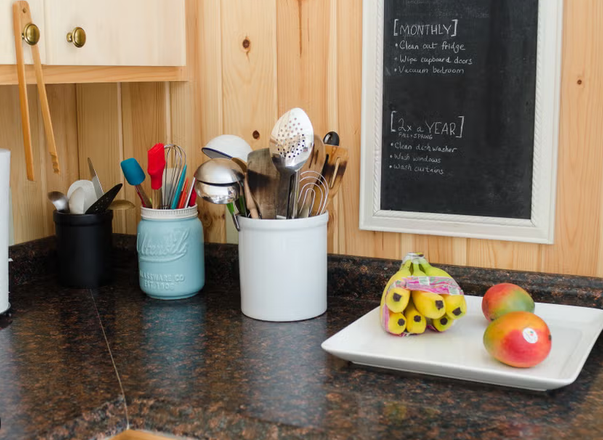
The kitchen is one of the busiest areas in any home. From preparing breakfast and cooking dinner to washing dishes and storing groceries, many daily activities happen in this space. Because the kitchen is used so frequently, it can quickly become messy, cluttered, and difficult to manage.
A clean and organized kitchen does more than make your home look better. It can make cooking easier, save time, reduce food waste, and create a more comfortable environment for the entire family. The good news is that you do not need to spend hours cleaning every day or buy expensive storage products to keep your kitchen under control.
Small habits and simple organizational techniques can make a major difference. By giving everything a proper place, cleaning as you go, and following a few practical routines, you can maintain a kitchen that stays cleaner and more organized with less effort.
Here are 10 easy ways to keep your kitchen clean and organized.
1. Clean as You Cook
One of the easiest ways to prevent a messy kitchen is to clean while you are preparing food instead of waiting until the entire meal is finished.
Cooking often creates several small messes. Vegetable peels accumulate on the counter, used utensils fill the sink, and ingredients may remain scattered around the workspace. If you leave everything until the end, cleaning can feel like a large and unpleasant task.
Instead, clean small areas while you work.
For example, while water is boiling or food is cooking, you can:
- Put unused ingredients back in the refrigerator or cupboard.
- Throw vegetable peels and food scraps into the trash or compost.
- Wash utensils that you no longer need.
- Wipe small spills immediately.
- Put spices and seasonings back in their places.
- Rinse cutting boards and mixing bowls.
This approach prevents clutter from building up.
Cleaning as you cook also makes the final cleanup much faster. When your meal is ready, you may only have a few dishes and cooking tools left to wash.
Make Cleaning Part of Your Cooking Routine
Try to think of cleaning as another part of cooking rather than a separate chore. Whenever you have a few free minutes, use them to restore your workspace.
This simple habit can make your kitchen feel significantly cleaner without requiring a long cleaning session.
2. Give Everything a Permanent Place
A kitchen becomes difficult to organize when items do not have designated storage locations.
If you regularly leave utensils, appliances, spices, and dishes wherever there is available space, clutter will quickly return. Giving each item a permanent home makes organization much easier.
Start by looking at the things you use most often.
Keep frequently used items in convenient locations. For example:
- Store cooking utensils near the stove.
- Keep plates and bowls close to the dining or serving area.
- Place glasses and cups in an easily accessible cabinet.
- Keep everyday spices near your cooking area.
- Store pots and pans where they are easy to reach.
- Keep cleaning supplies near the sink.
Items that you rarely use can be placed in higher cabinets or less accessible storage areas.
Use the “Put It Back” Rule
Whenever you finish using something, return it to its designated location.
This may seem like a small habit, but it prevents clutter from accumulating throughout the day. If every family member follows the same rule, keeping the kitchen organized becomes much easier.
3. Keep Your Countertops Clear
Kitchen countertops are often the first place where clutter appears. Small appliances, grocery packages, utensils, containers, papers, and other objects can quickly cover the available workspace.
A clear countertop makes the kitchen look cleaner and provides more space for food preparation.
Start by removing everything that does not need to stay on the counter.
You may want to keep only frequently used items such as:
- A coffee maker
- A toaster
- A knife block
- A fruit bowl
- A cooking utensil holder
Other appliances can be stored in cabinets or a pantry when they are not being used.
Create a Daily Countertop Reset
At the end of each day, spend five minutes clearing your countertops. Put away appliances, return ingredients to storage, remove trash, and wipe the surfaces.
This small routine can make your kitchen look significantly cleaner every morning.
4. Declutter Your Kitchen Regularly
Sometimes the biggest problem is not poor organization but having too many things.
Kitchen cabinets and drawers can become crowded with duplicate utensils, old containers, unused appliances, expired food, and items that you no longer need.
Regular decluttering helps prevent this problem.
Go through one cabinet, drawer, or shelf at a time. Ask yourself:
- Do I use this item?
- Have I used it recently?
- Do I have more than one?
- Is it still in good condition?
- Does it have a specific purpose?
If an item is rarely used and takes up valuable space, consider donating it, recycling it, or removing it from your kitchen where appropriate.
Avoid Keeping Too Many Containers
Food storage containers are especially easy to accumulate. Try to keep containers and lids together and remove damaged or unusable pieces.
A simple collection of matching or stackable containers can save a surprising amount of space.
You do not need a perfectly minimalist kitchen. The goal is simply to make sure the items you keep are useful and manageable.
5. Organize Your Refrigerator and Pantry
A clean kitchen can still feel disorganized if the refrigerator and pantry are difficult to navigate.
Organizing food storage areas makes cooking easier and can also help you notice what you already have before buying more groceries.
Start by grouping similar foods together.
For example, your pantry might have separate areas for:
- Rice and grains
- Pasta
- Canned foods
- Baking ingredients
- Breakfast foods
- Snacks
- Spices
- Cooking oils
In the refrigerator, you can organize foods by type and use suitable storage areas for different products.
Follow the First-In, First-Out Method
When purchasing new groceries, place newer items behind older ones whenever practical. Use older items first.
This simple system can help prevent food from being forgotten at the back of shelves.
Check your refrigerator and pantry regularly for expired or spoiled foods. Cleaning these areas occasionally also gives you an opportunity to wipe shelves and remove crumbs or spills.
6. Wash Dishes and Manage the Sink Daily
A sink filled with dirty dishes can make the entire kitchen feel messy.
Instead of allowing dishes to pile up throughout the day, try to wash them regularly or place them directly into the dishwasher if you have one.
If you wash dishes by hand, you can make the process easier by following a simple order:
- Remove leftover food.
- Rinse dishes when necessary.
- Wash glasses and cups.
- Wash plates and bowls.
- Clean utensils.
- Wash pots and pans.
- Rinse and dry everything.
- Clean the sink afterward.
Try not to leave dirty dishes overnight whenever possible.
Clean the Sink Too
The sink itself needs regular cleaning. Food particles, grease, and residue can accumulate around the drain and edges.
After washing dishes, rinse the sink and wipe around the surface. Keeping the sink clean gives the kitchen an instantly fresher appearance.
7. Wipe Surfaces and Spills Immediately
Small spills are much easier to clean when they are fresh.
Oil, sauces, milk, coffee, flour, and other ingredients can become difficult to remove if they are left sitting on surfaces for a long time.
Keep a clean kitchen cloth or appropriate surface-cleaning supplies available so you can quickly wipe up spills.
Pay particular attention to:
- Countertops
- Stove surfaces
- Cabinet handles
- Refrigerator handles
- Dining surfaces
- Sink areas
For kitchen surfaces, use cleaning products appropriate for the material and follow the manufacturer’s instructions.
Don’t Forget High-Touch Areas
Handles and switches are touched frequently and can accumulate dirt over time. Include them in your regular cleaning routine.
A quick wipe takes only a few seconds but can make the kitchen feel noticeably cleaner.
8. Organize Kitchen Drawers by Function
Kitchen drawers can easily become junk drawers if everything is thrown into them without a system.
Instead of placing items randomly, organize drawers according to function.
For example, one drawer can contain cooking utensils, another can contain cutlery, and another can hold kitchen tools.
Drawer dividers can be useful for keeping smaller objects separated.
You can organize items such as:
- Spoons
- Forks
- Knives
- Measuring spoons
- Measuring cups
- Peeler
- Can opener
- Small cooking tools
Store Similar Items Together
Grouping similar objects makes it easier to find what you need.
If you frequently use a particular tool, keep it in an easy-to-reach location. Less frequently used tools can be stored farther away.
Good drawer organization reduces the time you spend searching for things while cooking.
9. Create a Simple Daily and Weekly Cleaning Routine
Trying to clean the entire kitchen at once can feel overwhelming. A better approach is to divide cleaning into small tasks.
A simple daily routine might include:
Daily Kitchen Tasks
- Wash or load dishes.
- Wipe countertops.
- Clean cooking surfaces after use.
- Sweep visible crumbs.
- Return items to their proper places.
- Empty the trash when necessary.
- Wipe the sink.
These tasks may take only a few minutes when done consistently.
Weekly Kitchen Tasks
Once a week, you can perform deeper cleaning tasks such as:
- Mop the floor.
- Clean the stovetop thoroughly.
- Wipe cabinet doors.
- Clean the microwave.
- Check the refrigerator for spoiled food.
- Clean frequently used appliances.
- Wash reusable kitchen cloths.
- Clean the sink and surrounding areas.
You can divide these tasks across different days instead of doing everything at once.
Monthly Cleaning
Some tasks only need to be done occasionally. These may include cleaning the oven, organizing pantry shelves, cleaning behind appliances, and checking rarely used storage areas.
A routine keeps cleaning manageable and prevents dirt from accumulating.
10. Make Kitchen Organization a Family Habit
Keeping a kitchen clean should not have to be the responsibility of one person.
If several people use the kitchen, everyone can contribute.
Children can help with simple age-appropriate tasks such as putting away dishes, wiping tables, or returning items to their proper locations. Other family members can wash dishes, clean surfaces, organize groceries, or take out the trash.
Establish Simple Kitchen Rules
A few basic rules can make a big difference:
- Put ingredients away after using them.
- Do not leave dirty dishes unnecessarily.
- Wipe spills immediately.
- Return utensils to their proper places.
- Keep countertops as clear as possible.
- Clean up after cooking.
- Replace empty food containers or packages.
- Do not leave food uncovered.
When these habits become routine, the kitchen stays cleaner without requiring constant reminders.
Bonus Tips for a Cleaner and More Organized Kitchen
In addition to the 10 main strategies, several small habits can make kitchen maintenance even easier.
Keep a Trash Bin Convenient
A conveniently placed trash bin makes it easier to dispose of food scraps and packaging while cooking. If the bin is difficult to access, waste may end up accumulating on countertops.
Empty it regularly to prevent unpleasant odors and overflow.
Use Labels When Helpful
Labels can make pantry organization easier, especially if you store dry ingredients in containers.
Labels can identify foods such as rice, flour, sugar, pasta, oats, and other ingredients.
This can also make it easier for other family members to find and return items.
Use Vertical Space
If your kitchen has limited storage, look upward.
Shelves, cabinet organizers, hooks, and other appropriate storage solutions can help you make better use of vertical space.
For example, mugs can sometimes be stored using hooks, while frequently used utensils can be kept in a container near the cooking area.
Keep Cleaning Supplies Organized
Store kitchen cleaning supplies together in a safe and appropriate location. Keep potentially hazardous cleaning products away from children and food.
Having the necessary cleaning supplies available makes it easier to deal with spills and daily messes immediately.
Don’t Try to Make Everything Perfect
A kitchen is meant to be used.
You do not need to maintain a perfectly arranged kitchen every minute of the day. Cooking naturally creates some mess.
The goal is to develop simple systems that allow you to restore the kitchen quickly after meals and cooking sessions.
How to Keep Your Kitchen Clean With Less Effort
The key to maintaining a clean kitchen is consistency rather than spending hours cleaning.
Instead of allowing several days of mess to accumulate, perform small tasks throughout the day. Five minutes of cleaning here and there can prevent a much larger cleaning job later.
For example, after breakfast, put dishes away and wipe the table. After lunch, clean the cooking area. After dinner, wash dishes and reset the countertops.
Over time, these actions become automatic habits.
Another useful strategy is to avoid creating unnecessary work. If you can use one cutting board instead of several, use fewer dishes when practical, and return ingredients immediately after use, there will be less to clean later.
A Simple 10-Minute Kitchen Reset
If your kitchen becomes messy during the day, try a quick 10-minute reset.
Minute 1–2: Clear the Counters
Put away ingredients, appliances, containers, and other items that do not belong on the countertop.
Minute 3–5: Deal With Dishes
Wash dishes or load them into the dishwasher. Place clean dishes in their proper locations.
Minute 6–7: Wipe Surfaces
Wipe countertops, the dining table, and frequently used cooking surfaces.
Minute 8: Clean the Sink
Remove food particles and rinse the sink.
Minute 9: Check the Floor
Sweep visible crumbs and food particles.
Minute 10: Final Reset
Return anything that is out of place and take out the trash if necessary.
This short routine can make a noticeably messy kitchen feel organized again.
Common Kitchen Organization Mistakes to Avoid
Even with good intentions, certain habits can make kitchen organization more difficult.
One common mistake is keeping too many items. If cabinets are constantly overflowing, consider whether you actually need everything stored inside them.
Another mistake is storing frequently used items in inconvenient locations. If you use something every day, it should generally be easy to access.
Ignoring small spills is another problem. A few seconds of cleaning now can prevent a much bigger cleaning task later.
Finally, avoid creating complicated organization systems that are difficult to maintain. The best system is one that fits your daily habits and is easy for everyone in the household to follow.
Final Thoughts
Keeping your kitchen clean and organized does not require expensive products, complicated systems, or hours of daily cleaning. The most effective approach is to develop simple habits that prevent clutter and mess from building up.
Start by cleaning as you cook, giving everything a permanent place, keeping countertops clear, and regularly removing items you no longer need. Organize your refrigerator, pantry, drawers, and cabinets so that frequently used items are easy to find.
Daily dishwashing, quick surface cleaning, and a short kitchen reset can also make a major difference. Most importantly, involve everyone who uses the kitchen so that maintaining the space becomes a shared responsibility.
A clean and organized kitchen makes everyday cooking more enjoyable and efficient. By following these simple strategies consistently, you can create a kitchen that is easier to use, easier to clean, and more comfortable for the whole household.