
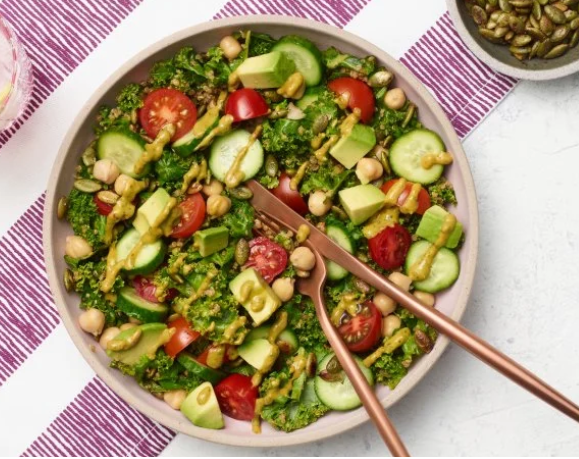
Finding a dinner that everyone in the family enjoys can sometimes feel challenging, especially when you want meals that are both delicious and nutritious. Vegetarian dinners can make this easier because they offer plenty of opportunities to combine vegetables, whole grains, beans, lentils, dairy products, and other plant-based ingredients into satisfying meals.
A healthy vegetarian dinner does not have to be complicated or expensive. With the right combination of ingredients, you can prepare meals that provide protein, fiber, vitamins, minerals, and healthy carbohydrates while still being enjoyable for children and adults.
Whether your family follows a vegetarian diet or you simply want to include more meat-free meals in your weekly routine, these 15 healthy vegetarian dinner ideas can give you plenty of inspiration.
What Makes a Vegetarian Dinner Healthy?
Before exploring the recipes, it is helpful to understand what makes a vegetarian meal balanced. A healthy dinner should ideally contain several different food groups.
Include a Good Source of Protein
Protein helps support muscles and keeps you feeling satisfied after a meal. Vegetarian protein sources include:
- Lentils
- Chickpeas
- Black beans
- Kidney beans
- Peas
- Tofu
- Tempeh
- Eggs
- Greek yogurt
- Cottage cheese
- Milk
- Nuts and seeds
Add Plenty of Vegetables
Vegetables provide important vitamins, minerals, antioxidants, and fiber. Try to include different colors throughout the week, such as leafy greens, carrots, tomatoes, bell peppers, broccoli, cauliflower, and zucchini.
Choose Healthy Carbohydrates
Whole grains and other minimally processed carbohydrates can provide long-lasting energy. Brown rice, whole-wheat pasta, quinoa, oats, whole-grain bread, potatoes, and sweet potatoes are useful options.
Include Healthy Fats
Healthy fats can come from ingredients such as avocado, olive oil, nuts, seeds, and natural nut butters. Using reasonable portions can make meals more satisfying without making them unnecessarily heavy.
1. Vegetable and Chickpea Curry
Vegetable and chickpea curry is an easy family dinner packed with plant-based protein and vegetables. Chickpeas provide protein and fiber, while vegetables add color and nutrients.
You can prepare the curry with tomatoes, onions, carrots, bell peppers, spinach, cauliflower, or potatoes. Add garlic, ginger, cumin, turmeric, coriander, and other preferred spices for flavor.
Serve it with brown rice, whole-grain rice, or whole-wheat flatbread.
Why It Is Healthy
Chickpeas can make the meal filling, while vegetables increase the fiber and nutrient content. You can also control the amount of oil and salt used during cooking.
Family-Friendly Tip
If children prefer mild flavors, keep the curry lightly spiced and allow adults to add extra chili or hot sauce to their individual portions.
2. Lentil and Vegetable Soup
Lentil soup is one of the simplest ways to create a nutritious vegetarian dinner. Lentils are naturally rich in protein and fiber and can be combined with many vegetables.
Start with onions, carrots, celery, and garlic. Add lentils, tomatoes, vegetable broth, and seasonings. Simmer everything until the lentils and vegetables become tender.
Why It Is Healthy
Lentils provide plant-based protein, fiber, iron, and other nutrients. Vegetables add additional vitamins and minerals.
How to Serve It
Serve the soup with whole-grain bread or a simple side salad. For children, you can blend part of the soup if they prefer a smoother texture.
3. Vegetarian Tacos
Vegetarian tacos are a fun dinner that allows everyone to build their own meal. Use black beans, kidney beans, lentils, or seasoned vegetables as the main filling.
Prepare toppings such as shredded lettuce, tomatoes, corn, avocado, cucumber, cheese, and plain yogurt. Use whole-grain or regular taco shells according to your family’s preference.
Why It Is Healthy
Beans provide protein and fiber, while fresh vegetables add vitamins, minerals, and texture.
Family-Friendly Tip
Place all the ingredients on the table and let family members assemble their own tacos. This can make vegetables more appealing to children because they can choose their preferred toppings.
4. Vegetable Stir-Fry With Tofu
A colorful vegetable stir-fry is a quick dinner option for busy evenings. Tofu provides protein while vegetables such as broccoli, carrots, bell peppers, mushrooms, onions, and snow peas add nutrients.
Cook the vegetables quickly in a small amount of oil and add cubed tofu. Finish with a simple sauce made from ingredients such as low-sodium soy sauce, garlic, ginger, and a little sesame oil.
Serve with brown rice or another whole grain.
Why It Is Healthy
This meal combines plant-based protein, vegetables, and whole grains in one convenient dish.
Easy Variation
If your family does not enjoy tofu, substitute it with chickpeas, edamame, eggs, or another preferred vegetarian protein.
5. Spinach and Cheese Stuffed Pasta
Stuffed pasta can be a comforting family dinner while still incorporating nutritious ingredients. Fill pasta shells with spinach, cottage cheese or ricotta, and herbs.
Place the shells in a tomato-based sauce and bake until hot and lightly browned.
Why It Is Healthy
Spinach contributes vitamins and minerals, while cheese provides protein and calcium. Using a tomato-based sauce can also increase the vegetable content of the meal.
Healthy Adjustment
Add finely chopped mushrooms, zucchini, or carrots to the sauce for extra vegetables.
6. Vegetable and Bean Burrito Bowls
Burrito bowls are flexible and easy to customize. Start with a base of brown rice or quinoa and add black beans, roasted vegetables, lettuce, tomatoes, corn, and avocado.
You can finish the bowl with plain yogurt, salsa, or a homemade dressing.
Why It Is Healthy
Beans provide protein and fiber, while whole grains provide carbohydrates for energy. Vegetables add a wide range of nutrients.
Make It Kid-Friendly
Keep each ingredient separate instead of mixing everything together. Children can then choose the ingredients they enjoy.
7. Homemade Vegetable Pizza
Pizza can be part of a balanced vegetarian dinner when you focus on wholesome ingredients and reasonable portions.
Use a whole-wheat crust when available and add tomato sauce, mushrooms, bell peppers, onions, spinach, tomatoes, and a moderate amount of cheese.
Why It Is Healthy
Homemade pizza allows you to control the amount of cheese, salt, and oil while adding plenty of vegetables.
Family Activity
Making pizza together can turn dinner preparation into a family activity. Give each person a small portion of dough and let them choose their vegetable toppings.
8. Vegetable and Egg Fried Rice
Vegetable fried rice is a practical way to use leftover cooked rice. Add vegetables such as carrots, peas, corn, cabbage, bell peppers, and green onions.
Scramble one or two eggs into the dish for additional protein. Use a moderate amount of oil and season with a small amount of soy sauce.
Why It Is Healthy
The combination of vegetables, eggs, and rice creates a satisfying meal. Using brown rice can increase the fiber content.
Helpful Tip
Cook the vegetables until they are tender but still slightly crisp. This helps maintain their texture and makes the dish more enjoyable.
9. Chickpea and Vegetable Pasta
Pasta becomes more filling when paired with chickpeas and vegetables. Cook whole-wheat pasta and combine it with chickpeas, tomatoes, spinach, zucchini, onions, and garlic.
A simple tomato sauce can bring everything together.
Why It Is Healthy
Whole-wheat pasta and chickpeas provide fiber, while chickpeas also contribute plant-based protein. Vegetables increase the overall nutritional value.
Flavor Ideas
Try adding basil, oregano, parsley, black pepper, or a small amount of grated cheese for extra flavor.
10. Baked Vegetable and Bean Casserole
A casserole is ideal when you want a warm, comforting meal that can feed the entire family.
Combine beans, tomatoes, corn, bell peppers, zucchini, onions, and cooked grains or potatoes. Season with herbs and spices, top with a moderate amount of cheese, and bake until everything is hot.
Why It Is Healthy
Beans provide protein and fiber, while vegetables contribute important micronutrients. Baking also allows you to use less oil than some traditional cooking methods.
Meal-Prep Benefit
Prepare the casserole ahead of time and refrigerate it until dinner. This can save time on busy weekdays.
11. Vegetable and Lentil Stuffed Peppers
Stuffed bell peppers are colorful, nutritious, and easy to customize. Cut bell peppers in half and fill them with cooked lentils, brown rice, tomatoes, onions, corn, and herbs.
Top with a small amount of cheese and bake until the peppers are tender.
Why It Is Healthy
Lentils provide protein and fiber, while bell peppers provide vitamin C and other nutrients.
Family-Friendly Tip
Use different colored peppers so children can choose their favorite. Mild seasoning can also make the dish more appealing to younger family members.
12. Creamy Vegetable and Potato Soup
A homemade potato and vegetable soup can be comforting during cooler weather. Combine potatoes with carrots, onions, cauliflower, spinach, peas, or other vegetables.
Instead of relying on heavy cream, you can blend some of the cooked vegetables to create a naturally creamy texture.
Why It Is Healthy
Blending vegetables into the soup can create a satisfying texture while keeping the meal vegetable-rich.
Serving Suggestion
Serve with a side of whole-grain toast and a simple cucumber or tomato salad.
13. Quinoa and Roasted Vegetable Bowls
Quinoa bowls are an excellent option when you want a nutritious and customizable dinner.
Cook quinoa and top it with roasted vegetables such as sweet potatoes, broccoli, carrots, zucchini, and bell peppers. Add chickpeas or black beans for protein.
A simple yogurt, lemon, or tahini-based dressing can bring the ingredients together.
Why It Is Healthy
Quinoa provides protein and carbohydrates, while beans and vegetables contribute fiber and other essential nutrients.
Make It Ahead
Cook a large batch of quinoa and roasted vegetables at the beginning of the week. You can quickly assemble bowls for several meals.
14. Vegetarian Chili
Vegetarian chili is a hearty dinner that can be prepared in one pot. Combine kidney beans, black beans, tomatoes, corn, onions, bell peppers, and spices.
You can use mild chili powder for a family-friendly version and allow adults to add extra heat later.
Why It Is Healthy
Beans make chili rich in plant-based protein and fiber. Vegetables increase its nutritional variety and provide additional vitamins and minerals.
Topping Ideas
Serve with chopped avocado, plain yogurt, fresh tomatoes, cilantro, or a small amount of grated cheese.
15. Vegetable Frittata With Whole-Grain Toast
A vegetable frittata is an excellent vegetarian dinner when you want something quick and protein-rich.
Whisk eggs and combine them with vegetables such as spinach, tomatoes, onions, mushrooms, zucchini, or bell peppers. Cook the mixture until the eggs are fully set.
Serve with whole-grain toast and a fresh salad.
Why It Is Healthy
Eggs provide protein, while vegetables add fiber, vitamins, and minerals. Whole-grain toast provides carbohydrates and additional fiber.
Simple Variation
Add a small amount of cheese or fresh herbs for extra flavor. You can also use leftover cooked vegetables to reduce food waste.
How to Make Vegetarian Dinners More Filling
One common concern about vegetarian meals is whether they will keep everyone satisfied. The key is to combine several food groups rather than relying on vegetables alone.
Try building dinners using this simple formula:
Protein + vegetables + whole-grain carbohydrate + healthy fat
For example, a burrito bowl might contain black beans, roasted vegetables, brown rice, and avocado. A curry could include chickpeas, vegetables, brown rice, and a small amount of healthy oil.
This combination can create a more balanced and satisfying meal.
Tips for Feeding Vegetarian Meals to Children
Children can sometimes be hesitant to try unfamiliar foods. Instead of forcing them to eat something they dislike, introduce new ingredients gradually.
Keep Flavors Simple
Young children may prefer simple flavors. Use mild herbs and spices and allow adults to add stronger seasonings separately.
Offer Familiar Foods
Pair a new vegetarian food with something your child already enjoys. For example, serve roasted vegetables alongside familiar rice or pasta.
Make Food Interactive
Tacos, burrito bowls, homemade pizzas, and wraps allow children to choose their own ingredients.
Don’t Hide Every Vegetable
Blending vegetables into sauces can be useful, but children can also benefit from seeing and learning about different vegetables.
Repeat Foods
A child may need multiple opportunities to become comfortable with a new food. Keep offering nutritious options without making mealtime stressful.
How to Save Time When Preparing Vegetarian Dinners
Healthy meals do not need to take hours to prepare. A little planning can make weekday dinners much easier.
Prepare Grains in Advance
Cook brown rice, quinoa, or another grain in a larger batch and refrigerate portions for later meals.
Wash and Cut Vegetables Ahead
Preparing vegetables in advance can make stir-fries, soups, curries, and bowls much faster.
Keep Canned Beans Available
Canned chickpeas, black beans, and kidney beans can be convenient when you need a quick source of protein. Choose lower-sodium varieties when possible, or rinse canned beans before using them.
Use Frozen Vegetables
Frozen peas, corn, spinach, broccoli, and mixed vegetables can be nutritious and convenient options for busy families.
Make Large Batches
Soups, chili, curries, and casseroles often taste just as good the next day and can provide leftovers for lunch.
How to Create a Balanced Vegetarian Dinner Plate
A simple plate method can help you create balanced meals without complicated calculations.
Fill approximately half of the plate with vegetables and other plant foods, then include a source of protein and a serving of whole grains or another carbohydrate.
For example:
- Vegetables: broccoli, carrots, spinach, peppers
- Protein: beans, lentils, tofu, eggs, or yogurt
- Carbohydrates: brown rice, quinoa, potatoes, or whole-grain bread
- Healthy fat: avocado, nuts, seeds, or a small amount of olive oil
Exact portions depend on age, activity level, individual nutritional needs, and overall diet.
Common Mistakes to Avoid With Vegetarian Dinners
Vegetarian does not automatically mean healthy. Some meat-free meals can still be high in refined carbohydrates, added salt, saturated fat, or calories.
Try not to rely too heavily on highly processed vegetarian foods. Instead, include a variety of whole and minimally processed ingredients.
Another common mistake is forgetting protein. A plate filled mostly with vegetables and bread may not be as satisfying as a meal that also contains beans, lentils, tofu, eggs, dairy, or another protein source.
It is also important to eat a variety of foods throughout the week rather than relying on the same few ingredients every day.
Final Thoughts
Vegetarian dinners can be flavorful, filling, affordable, and family-friendly. From chickpea curry and lentil soup to homemade pizza, tacos, pasta, stuffed peppers, and vegetarian chili, there are countless ways to create satisfying meat-free meals.
The most important idea is to focus on variety. Combine vegetables with protein-rich foods, whole grains, and healthy fats to create balanced meals. Allow family members to customize dishes when possible, especially children who may have different preferences.
With a little preparation and creativity, vegetarian dinners can become an enjoyable part of your family’s regular meal routine. These 15 ideas provide a starting point, but you can easily modify ingredients, seasonings, and serving styles to suit your family’s tastes and nutritional needs.