
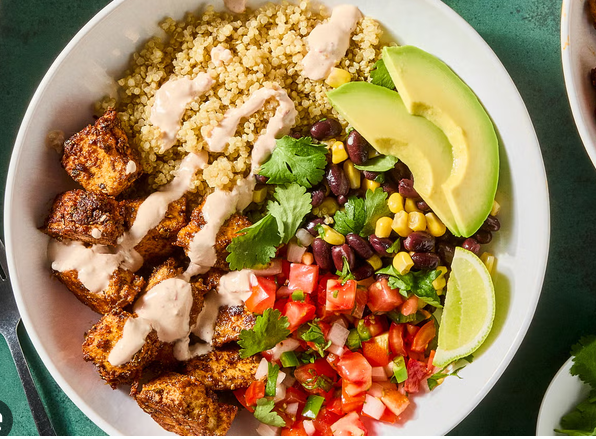
Getting enough protein on a vegetarian diet does not have to be difficult. With the right combination of beans, lentils, chickpeas, dairy products, tofu, eggs, nuts, seeds, and whole grains, you can prepare filling and nutritious meals at home without relying on meat.
Protein is an important nutrient because it helps support muscles, bones, enzymes, hormones, and many other functions in the body. Including a protein-rich ingredient in each meal can also make your food more satisfying and help you stay full for longer.
The recipes in this guide are simple, practical, and suitable for everyday cooking. They use familiar ingredients and can be adjusted according to your taste, budget, and dietary preferences.
1. High-Protein Lentil and Vegetable Curry
Lentils are one of the easiest vegetarian sources of protein. They are inexpensive, versatile, and work particularly well in curries, soups, and stews. Combining lentils with vegetables creates a balanced meal that is rich in protein, fiber, vitamins, and minerals.
Ingredients
- 1 cup red or brown lentils
- 1 medium onion, chopped
- 2 tomatoes, chopped
- 1 carrot, diced
- 1 cup spinach
- 2 cloves garlic, minced
- 1 teaspoon grated ginger
- 1 teaspoon cumin
- 1 teaspoon turmeric
- 1 teaspoon coriander powder
- ½ teaspoon chili powder
- 2 tablespoons cooking oil
- 3 cups water or vegetable broth
- Salt to taste
- Fresh coriander for garnish
How to Make It
Rinse the lentils thoroughly under cold water. Heat oil in a large pot and add the onion. Cook until it becomes soft and lightly golden.
Add garlic, ginger, cumin, turmeric, coriander powder, and chili powder. Stir for about 30 seconds to release the spices.
Add tomatoes and carrots and cook for several minutes until the tomatoes soften. Add the rinsed lentils and water or vegetable broth.
Bring the mixture to a boil, then reduce the heat and cover the pot. Simmer until the lentils become tender. Red lentils usually cook faster than brown or green lentils.
Add spinach during the final few minutes of cooking. Season with salt and garnish with fresh coriander.
Serve the curry with brown rice, whole-grain bread, or a small portion of flatbread.
Why It Is High in Protein
Lentils provide a substantial amount of plant-based protein while also supplying fiber and other nutrients. Adding spinach and vegetables increases the overall nutritional value of the meal.
2. Chickpea and Quinoa Power Bowl
A chickpea and quinoa bowl is an excellent option for lunch or dinner. Chickpeas provide protein and fiber, while quinoa adds additional protein and makes the meal more filling.
Ingredients
- 1 cup cooked chickpeas
- 1 cup cooked quinoa
- 1 cucumber, chopped
- 1 tomato, chopped
- ½ bell pepper, chopped
- 1 cup leafy greens
- ¼ cup plain Greek yogurt
- 1 tablespoon lemon juice
- 1 teaspoon olive oil
- ½ teaspoon cumin
- Salt and black pepper
- Optional pumpkin or sunflower seeds
How to Make It
Start by preparing the quinoa according to the package instructions. Allow it to cool slightly.
Place leafy greens in a large bowl and add quinoa, chickpeas, cucumber, tomato, and bell pepper.
In a small bowl, combine Greek yogurt, lemon juice, cumin, salt, and black pepper. Mix well to create a creamy dressing.
Pour the dressing over the bowl and gently mix everything together. Sprinkle pumpkin or sunflower seeds on top if desired.
Tips for More Protein
For an even higher-protein meal, increase the amount of chickpeas or add extra Greek yogurt. You can also include tofu, boiled eggs, or cottage cheese.
This recipe is especially convenient because the ingredients can be prepared ahead of time and stored separately in the refrigerator.
3. Tofu and Vegetable Stir-Fry
Tofu is a versatile vegetarian protein that can absorb the flavors of sauces and spices. A vegetable stir-fry is quick to prepare and works well for busy weeknight dinners.
Ingredients
- 250–300 grams firm tofu
- 1 bell pepper, sliced
- 1 carrot, sliced
- 1 cup broccoli
- ½ cup mushrooms
- 1 small onion
- 2 cloves garlic
- 1 teaspoon grated ginger
- 1 tablespoon soy sauce
- 1 teaspoon sesame oil
- 1 tablespoon cooking oil
- Black pepper to taste
- Optional sesame seeds
How to Make It
Press the tofu between paper towels to remove excess moisture. Cut it into small cubes.
Heat cooking oil in a large pan. Add tofu and cook until the pieces become golden on several sides. Remove the tofu and set it aside.
Add onion, carrot, broccoli, bell pepper, and mushrooms to the same pan. Stir-fry the vegetables over medium-high heat until they are tender but still slightly crisp.
Add garlic and ginger and cook briefly.
Return the tofu to the pan and add soy sauce and sesame oil. Stir everything together for a few minutes.
Finish with black pepper and sesame seeds.
Serving Suggestions
Serve the stir-fry with brown rice, quinoa, or whole-grain noodles. For additional protein, add edamame or a small amount of roasted peanuts.
4. High-Protein Chickpea Salad
A chickpea salad is one of the easiest vegetarian meals to prepare. It requires little cooking and can be customized with different vegetables, herbs, and dressings.
Ingredients
- 1½ cups cooked chickpeas
- 1 cucumber
- 2 tomatoes
- ½ red onion
- ½ bell pepper
- Fresh parsley or coriander
- 2 tablespoons Greek yogurt
- 1 tablespoon lemon juice
- 1 teaspoon olive oil
- ½ teaspoon cumin
- Salt and black pepper
How to Make It
Drain and rinse the chickpeas if using canned chickpeas.
Chop the cucumber, tomatoes, onion, and bell pepper into bite-sized pieces.
Place everything in a large bowl and add chopped herbs.
For the dressing, mix Greek yogurt, lemon juice, olive oil, cumin, salt, and black pepper.
Pour the dressing over the salad and mix gently.
Make It More Filling
You can add boiled eggs, cottage cheese, quinoa, pumpkin seeds, or sunflower seeds. Serve the salad with whole-grain toast for a complete meal.
This recipe is also useful for meal preparation because it can be prepared in advance and kept refrigerated.
5. Cottage Cheese and Vegetable Stuffed Wrap
Cottage cheese, also known as paneer in many South Asian kitchens, can turn a simple wrap into a protein-rich meal.
Ingredients
- 1 cup cottage cheese or crumbled paneer
- 2 whole-grain tortillas or flatbreads
- ½ bell pepper
- ½ onion
- ½ cup spinach
- 1 tomato
- ½ teaspoon cumin
- ½ teaspoon paprika
- Black pepper
- Salt
- 1 teaspoon cooking oil
- Optional Greek yogurt
How to Make It
Heat oil in a pan and sauté the onion and bell pepper until slightly soft.
Add spinach and tomato and cook for another minute or two.
Add cottage cheese or crumbled paneer and season with cumin, paprika, salt, and black pepper.
Cook until everything is heated through.
Warm the tortillas or flatbreads and fill them with the mixture.
Add a spoonful of Greek yogurt if desired, then roll the wrap tightly.
Easy Variations
You can add beans, corn, mushrooms, shredded carrots, or lettuce. For extra flavor, use a homemade yogurt and herb sauce.
These wraps work well for breakfast, lunch, or a quick dinner.
6. High-Protein Egg and Bean Breakfast Bowl
Eggs are an excellent vegetarian protein option for people who include them in their diet. Combining eggs with beans and vegetables creates a filling breakfast that can keep you satisfied throughout the morning.
Ingredients
- 2 eggs
- ½ cup cooked black beans or kidney beans
- ½ avocado
- 1 tomato
- ½ bell pepper
- 1 small onion
- 1 teaspoon cooking oil
- Salt
- Black pepper
- Optional chili flakes
How to Make It
Heat oil in a pan and sauté the onion and bell pepper.
Add the beans and chopped tomato and cook for several minutes.
In a separate pan, scramble or fry the eggs according to your preference.
Place the bean and vegetable mixture in a bowl and top with the eggs.
Add sliced avocado and season with black pepper and chili flakes.
Making It More Filling
Serve the bowl with a small portion of whole-grain toast, brown rice, or roasted potatoes. You can also add cottage cheese or Greek yogurt for additional protein.
7. Lentil and Bean Vegetarian Burgers
Homemade vegetarian burgers can be much more nutritious than many highly processed alternatives. Lentils and beans provide the main protein base, while oats help hold the patties together.
Ingredients
- 1 cup cooked lentils
- 1 cup cooked kidney beans or black beans
- ½ cup rolled oats
- 1 small onion
- 1 carrot, grated
- 1 clove garlic
- ½ teaspoon cumin
- ½ teaspoon paprika
- Salt and black pepper
- 1 tablespoon cooking oil
How to Make Them
Place the cooked lentils and beans in a bowl and mash them with a fork. They do not need to be completely smooth.
Add oats, onion, grated carrot, garlic, cumin, paprika, salt, and pepper.
Mix everything thoroughly.
Form the mixture into burger patties. If the mixture feels too wet, add a little more oats.
Refrigerate the patties for about 20–30 minutes to help them firm up.
Heat a small amount of oil in a pan and cook the patties for several minutes on each side until golden and firm.
Serving Ideas
Serve the patties in whole-grain buns with lettuce, tomato, cucumber, and yogurt-based sauce.
You can also serve them without buns alongside a large salad and roasted vegetables.
8. Greek Yogurt and Nut Protein Breakfast Bowl
For a quick vegetarian breakfast, Greek yogurt can provide a convenient protein-rich base. Adding nuts, seeds, fruit, and oats creates a balanced meal.
Ingredients
- 1 cup plain Greek yogurt
- ¼ cup rolled oats
- 2 tablespoons almonds or walnuts
- 1 tablespoon pumpkin seeds
- 1 tablespoon chia seeds
- ½ cup berries or chopped fruit
- 1 teaspoon honey, optional
- Cinnamon to taste
How to Make It
Add Greek yogurt to a bowl.
Top it with oats, almonds or walnuts, pumpkin seeds, chia seeds, and fresh fruit.
Sprinkle cinnamon over the top and add a small amount of honey if desired.
Mix everything before eating or enjoy it in layers.
Why It Works
Greek yogurt provides protein, while nuts and seeds contribute protein, healthy fats, and fiber. Oats provide carbohydrates that can help make the breakfast more satisfying.
For an even higher-protein version, use a larger portion of Greek yogurt or add cottage cheese.
9. High-Protein Red Lentil Pasta
Red lentil pasta is a useful alternative to traditional pasta because it is made from legumes and generally provides more protein than regular wheat pasta.
Ingredients
- 200 grams red lentil pasta
- 1 cup tomato sauce
- ½ cup cooked chickpeas
- 1 cup spinach
- ½ cup cottage cheese or grated cheese
- 1 small onion
- 2 cloves garlic
- 1 tablespoon olive oil
- Italian herbs
- Black pepper
- Salt
How to Make It
Cook the lentil pasta according to the package directions. Avoid overcooking because legume-based pasta can become soft quickly.
Heat olive oil in a pan and sauté onion and garlic.
Add tomato sauce, chickpeas, spinach, Italian herbs, salt, and black pepper.
Simmer for several minutes until the spinach has softened.
Add the cooked pasta and mix gently.
Top with cottage cheese or a moderate amount of grated cheese.
Extra Protein Options
You can add tofu, white beans, peas, or additional chickpeas. A side salad can provide vegetables and fiber without making the meal too heavy.
10. High-Protein Paneer and Chickpea Bowl
Paneer and chickpeas make a powerful combination for a vegetarian meal. This recipe is especially suitable for people who enjoy South Asian flavors.
Ingredients
- 100–150 grams paneer
- 1 cup cooked chickpeas
- 1 tomato
- 1 small onion
- ½ bell pepper
- 1 cup spinach
- 1 teaspoon cumin
- ½ teaspoon turmeric
- ½ teaspoon coriander powder
- ½ teaspoon chili powder
- 1 teaspoon ginger-garlic paste
- 1 tablespoon cooking oil
- Salt
- Fresh coriander
How to Make It
Cut the paneer into small cubes.
Heat oil in a pan and lightly brown the paneer. Remove it and set aside.
In the same pan, add onion and cook until softened.
Add ginger-garlic paste and spices. Stir for about 30 seconds.
Add chopped tomato and bell pepper and cook until the tomato becomes soft.
Add chickpeas and spinach. Stir well and cook for several minutes.
Return the paneer to the pan and mix everything together.
Garnish with fresh coriander.
Serving Suggestions
Serve this protein-rich mixture with brown rice, quinoa, whole-grain roti, or a fresh vegetable salad.
Tips for Increasing Protein in Vegetarian Meals
Eating more protein does not necessarily mean making complicated recipes. A few simple habits can make your regular meals more protein-rich.
Add Beans and Lentils
Beans, chickpeas, peas, and lentils can be added to soups, curries, salads, rice dishes, wraps, and pasta.
Include Protein at Every Meal
Instead of eating most of your protein at dinner, try to include a protein source at breakfast, lunch, and dinner.
For example, breakfast could include eggs or Greek yogurt, lunch could contain chickpeas or lentils, and dinner could include tofu, paneer, or beans.
Use Dairy Products if You Eat Dairy
Greek yogurt, cottage cheese, milk, and paneer can make vegetarian meals more protein-rich.
Choose options that fit your nutritional needs and preferences.
Add Seeds and Nuts
Pumpkin seeds, chia seeds, peanuts, almonds, and walnuts can add protein and healthy fats to meals.
Because nuts and seeds are relatively calorie-dense, moderate portions can be useful.
Combine Different Protein Sources
You do not have to rely on a single ingredient. Combining beans with whole grains, lentils with vegetables, or tofu with rice can create a satisfying and nutritious meal.
Choose Whole Grains
Quinoa, oats, brown rice, and whole-grain bread can contribute protein along with carbohydrates and fiber.
Prepare Ingredients in Advance
Meal preparation can make healthy vegetarian eating much easier. Cook a batch of lentils, chickpeas, beans, quinoa, or rice and store them in the refrigerator.
You can then quickly turn these ingredients into salads, bowls, wraps, curries, and stir-fries during the week.
How to Build a Balanced High-Protein Vegetarian Meal
A high-protein meal should not consist of protein alone. A balanced plate can include a protein source, vegetables, whole grains or another carbohydrate source, and a small amount of healthy fat.
For example, you could combine:
- Lentils with brown rice and vegetables
- Tofu with quinoa and stir-fried vegetables
- Chickpeas with whole-grain bread and salad
- Paneer with vegetables and whole-grain roti
- Greek yogurt with oats, fruit, and seeds
This approach gives your meals variety and makes it easier to obtain a broad range of nutrients.
Final Thoughts
High-protein vegetarian cooking can be simple, affordable, and delicious. You do not need complicated ingredients or expensive meat substitutes to create satisfying meals. Lentils, chickpeas, beans, tofu, paneer, eggs, Greek yogurt, quinoa, nuts, and seeds can all play an important role in a protein-rich vegetarian diet.
The ten recipes in this guide provide plenty of options for breakfast, lunch, dinner, and quick snacks. You can adjust the spices, vegetables, sauces, and protein sources according to your preferences.
The most important habit is consistency. Try to include a protein-rich ingredient in every major meal and combine it with vegetables, whole grains, and healthy fats. With a little preparation and creativity, vegetarian meals can be both nutritious and satisfying.