
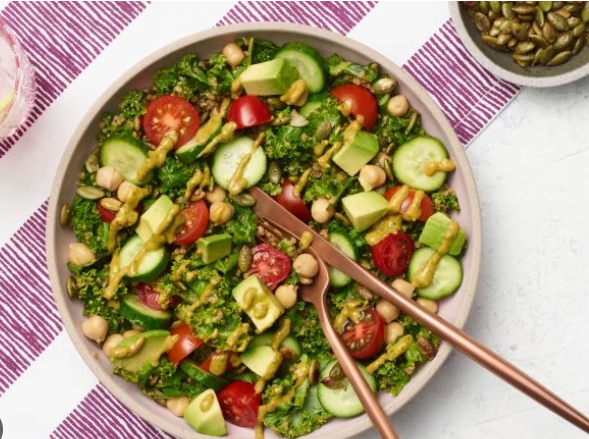
Eating a vegetarian diet can be delicious, satisfying, and nutritious when meals are planned with a variety of foods. A balanced vegetarian meal does not need to be complicated or expensive. The key is to include different food groups that provide protein, carbohydrates, healthy fats, vitamins, minerals, and plenty of fiber.
Whether you are new to vegetarian eating or simply want to improve your everyday meals, learning how to combine foods can make a big difference. Instead of focusing on one specific ingredient, think about building a complete plate with several nutritious components.
This guide explains what makes a vegetarian meal balanced, which foods to include, how to combine ingredients, and practical tips for creating healthy meals for breakfast, lunch, and dinner.
What Is a Balanced Vegetarian Meal?
A balanced vegetarian meal contains a combination of foods that provide the nutrients your body needs. Since vegetarian meals do not include meat, poultry, or seafood, it is especially helpful to include reliable plant-based sources of protein, iron, zinc, calcium, and other important nutrients.
A simple balanced meal can include:
- A protein-rich food
- A whole-grain or other carbohydrate source
- Plenty of vegetables
- A serving of fruit when appropriate
- A source of healthy fat
- Water or another suitable drink
For example, a simple dinner could contain brown rice, lentil curry, mixed vegetables, plain yogurt, and a small amount of nuts or seeds.
The goal is not to make every meal perfect. Instead, focus on overall variety throughout the day.
Start With Plenty of Vegetables
Vegetables are one of the most important parts of a balanced vegetarian diet. They provide fiber, vitamins, minerals, antioxidants, and other beneficial plant compounds.
Try to include different colors and types of vegetables throughout the week. Eating a variety of vegetables helps prevent your meals from becoming repetitive while also increasing the range of nutrients you consume.
Good choices include:
- Spinach
- Carrots
- Broccoli
- Cauliflower
- Bell peppers
- Tomatoes
- Cabbage
- Green beans
- Peas
- Eggplant
- Zucchini
- Cucumbers
- Mushrooms
- Sweet potatoes
- Leafy greens
Fresh vegetables are excellent, but frozen and canned vegetables can also be useful. If using canned vegetables, choosing lower-sodium options or rinsing them before eating can help reduce the amount of added salt.
A practical approach is to make vegetables a large part of your plate rather than treating them as a small side dish.
Include a Good Source of Vegetarian Protein
Protein is essential for maintaining muscles, supporting tissues, producing enzymes and hormones, and keeping meals satisfying.
Vegetarians have many protein options. Some of the best choices include:
- Lentils
- Chickpeas
- Kidney beans
- Black beans
- Peas
- Soybeans
- Tofu
- Tempeh
- Edamame
- Greek yogurt
- Milk
- Cottage cheese
- Eggs, for people who include them
- Nuts
- Seeds
- Peanut butter
Legumes such as lentils, chickpeas, and beans are particularly useful because they provide both protein and fiber.
For example, instead of making a meal based only on white rice and vegetables, add lentils or chickpeas. This simple change can make the meal more filling and nutritionally complete.
Choose Healthy Sources of Carbohydrates
Carbohydrates provide energy and are an important part of a balanced meal. The best choices are generally foods that provide carbohydrates along with fiber and other nutrients.
Examples include:
- Brown rice
- Oats
- Whole-wheat bread
- Whole-grain pasta
- Barley
- Quinoa
- Bulgur
- Corn
- Potatoes
- Sweet potatoes
- Whole-grain tortillas
You do not need to completely avoid white rice, regular pasta, or other refined grains. However, making whole grains a regular part of your diet can increase fiber intake and add nutritional variety.
For a balanced meal, combine a carbohydrate source with vegetables and protein. For example, brown rice with chickpeas and roasted vegetables makes a simple and satisfying combination.
Add Healthy Fats
Healthy fats are another important part of a balanced vegetarian diet. Fat helps the body absorb certain vitamins and contributes to the taste and satisfaction of meals.
Good vegetarian sources of healthy fats include:
- Avocados
- Almonds
- Walnuts
- Peanuts
- Chia seeds
- Flaxseeds
- Sunflower seeds
- Pumpkin seeds
- Sesame seeds
- Tahini
- Natural peanut butter
- Olive oil
You generally do not need large amounts. A small handful of nuts, a spoonful of seeds, or a modest amount of oil can be enough to complement a meal.
For example, adding chopped walnuts to a salad or using a small amount of olive oil in roasted vegetables can improve both flavor and nutritional value.
Don’t Forget Calcium-Rich Foods
Calcium is important for bones and teeth and also plays a role in normal muscle and nerve function.
Vegetarians can obtain calcium from several foods, including:
- Milk
- Yogurt
- Cheese
- Calcium-fortified plant milk
- Calcium-set tofu
- Some leafy green vegetables
- Sesame seeds and tahini
- Fortified foods
If you consume dairy products, yogurt and milk can be convenient choices. If you avoid dairy, look for fortified plant-based alternatives and include other calcium-containing foods regularly.
Checking food labels on plant-based milk can help you determine whether the product has been fortified with calcium and other nutrients.
Pay Attention to Iron
Iron is an important mineral involved in transporting oxygen throughout the body. Plant-based diets can provide iron through a variety of foods.
Vegetarian sources include:
- Lentils
- Chickpeas
- Beans
- Spinach
- Tofu
- Pumpkin seeds
- Sesame seeds
- Cashews
- Fortified cereals
- Whole grains
Plant-based iron is absorbed differently from the iron found in meat. One useful strategy is to combine iron-rich plant foods with foods containing vitamin C.
For example, you could eat lentils with tomatoes, chickpeas with bell peppers, or beans with a fresh salad containing lemon juice.
Include Vitamin B12 Sources
Vitamin B12 deserves special attention in vegetarian meal planning because natural plant foods generally do not provide reliable amounts of B12.
People who consume dairy products and eggs may obtain some B12 from these foods. Vegans generally need to rely on fortified foods or an appropriate B12 supplement.
Fortified foods may include certain plant-based milks, breakfast cereals, nutritional yeast, and other specially fortified products.
If you follow a strict vegan diet, it is particularly important to plan for reliable B12 intake rather than assuming that vegetables, fruits, grains, or legumes will provide enough.
Make Fiber a Regular Part of Your Meals
Fiber supports digestive health and can help meals feel more satisfying.
Vegetarian diets can naturally be rich in fiber because they often contain vegetables, fruits, legumes, whole grains, nuts, and seeds.
Excellent sources include:
- Beans
- Lentils
- Chickpeas
- Oats
- Whole grains
- Apples
- Pears
- Berries
- Broccoli
- Carrots
- Leafy greens
- Chia seeds
- Flaxseeds
Increase fiber gradually if your current diet is low in it, and drink enough water throughout the day.
Use the Balanced Plate Method
One of the easiest ways to build a balanced vegetarian meal is to divide your plate into general sections.
A useful approach is:
Half the Plate: Vegetables
Fill approximately half your plate with vegetables. You can use cooked vegetables, raw vegetables, leafy greens, or a combination.
One Quarter: Protein
Use the remaining space for a protein-rich food such as lentils, beans, chickpeas, tofu, tempeh, eggs, or yogurt.
One Quarter: Whole-Grain or Starchy Food
Add brown rice, whole-grain bread, quinoa, potatoes, sweet potatoes, or another carbohydrate source.
Then add a small amount of healthy fat, such as nuts, seeds, avocado, or olive oil.
This is a flexible framework rather than a strict rule. Your portions can change depending on your appetite, activity level, age, and individual nutritional needs.
Build a Balanced Vegetarian Breakfast
Breakfast can be balanced without meat or complicated preparation.
For example, try oatmeal topped with berries, banana, chia seeds, and walnuts. You can add milk or fortified plant milk for additional nutrients.
Another option is whole-grain toast with avocado and eggs, accompanied by tomatoes or another vegetable.
A yogurt bowl can also work well. Combine plain yogurt with fruit, oats, nuts, and seeds.
The important thing is to avoid building breakfast entirely around refined carbohydrates. A meal consisting only of sugary cereal or white toast may not keep you satisfied for very long.
Combining carbohydrates with protein, fiber, and healthy fats can create a more complete breakfast.
Make a Nutritious Vegetarian Lunch
Lunch should provide enough energy to keep you going through the afternoon.
A chickpea salad is an easy option. Combine chickpeas with cucumber, tomatoes, carrots, leafy greens, and a simple dressing. Add whole-grain bread or another grain for additional carbohydrates.
Another option is a lentil bowl containing cooked lentils, brown rice, roasted vegetables, and yogurt.
Vegetarian wraps can also be convenient. Fill a whole-grain wrap with beans, lettuce, tomatoes, cucumber, avocado, and a yogurt-based or tahini dressing.
Preparing ingredients in advance makes these meals much easier to assemble during busy days.
Create a Balanced Vegetarian Dinner
Dinner can follow the same basic structure as lunch.
For example, prepare a vegetable and chickpea curry and serve it with brown rice or whole-grain roti. Add a fresh salad or plain yogurt on the side.
Another option is tofu stir-fry with broccoli, bell peppers, carrots, mushrooms, and brown rice.
You could also prepare baked potatoes topped with beans, vegetables, yogurt, and seeds.
The combination of vegetables, protein, carbohydrates, and healthy fats creates a satisfying meal without requiring meat.
Healthy Vegetarian Meal Combinations
Here are some simple combinations you can use for inspiration:
Lentil and Rice Bowl
Combine cooked lentils with brown rice, roasted vegetables, leafy greens, and a small amount of yogurt or tahini sauce.
Chickpea Salad
Mix chickpeas with cucumber, tomatoes, carrots, lettuce, avocado, and lemon juice. Serve with whole-grain bread.
Tofu Stir-Fry
Cook tofu with broccoli, mushrooms, bell peppers, carrots, and other vegetables. Serve with brown rice.
Bean and Vegetable Wrap
Fill a whole-grain wrap with black beans or kidney beans, lettuce, tomatoes, corn, peppers, and avocado.
Vegetable Omelet
For vegetarians who eat eggs, make an omelet with spinach, tomatoes, onions, and mushrooms. Serve with whole-grain toast and fruit.
Yogurt and Grain Bowl
Combine plain yogurt with oats, fruit, nuts, seeds, and a small amount of cinnamon.
Choose Whole Foods More Often
A vegetarian diet is not automatically healthy simply because it does not contain meat.
Many packaged vegetarian foods can be high in added sugar, sodium, refined carbohydrates, or saturated fat. Vegetarian cookies, chips, sugary cereals, fried snacks, and highly processed meat alternatives can be eaten occasionally, but they should not replace a varied diet based on nutritious foods.
Try to make foods such as vegetables, fruits, legumes, whole grains, nuts, seeds, and minimally processed protein sources the foundation of your meals.
Plan Your Meals in Advance
Meal planning can make balanced eating much easier.
At the beginning of the week, choose several protein sources, vegetables, and carbohydrate options.
For example, you could prepare:
- A pot of lentils
- Cooked chickpeas
- Brown rice
- Roasted vegetables
- Washed salad vegetables
- Boiled eggs
- Yogurt
- Chopped fruit
Once these ingredients are ready, you can combine them in different ways throughout the week.
Meal preparation also makes it easier to avoid relying on fast food when you are hungry and short on time.
Keep Healthy Snacks Available
Balanced meals are important, but snacks can also contribute to your overall diet.
Useful vegetarian snack options include:
- Fresh fruit
- Yogurt
- Nuts
- Seeds
- Hummus with vegetables
- Whole-grain crackers
- Peanut butter with apple
- Roasted chickpeas
- Homemade trail mix
- Boiled eggs
Try to combine at least two types of food when you need a more filling snack. For example, an apple with peanut butter provides carbohydrates, fiber, and fat.
Drink Enough Water
Water is an important part of a healthy eating pattern. Vegetarian meals can contain a lot of fiber, especially when they include beans, whole grains, vegetables, fruits, nuts, and seeds.
Drinking enough water throughout the day can support normal digestion and help you stay hydrated.
Water should generally be your primary drink. Unsweetened tea and other low-sugar beverages can also fit into a balanced eating pattern.
Common Mistakes to Avoid
Creating balanced vegetarian meals becomes easier when you know some common mistakes.
Eating Too Few Protein Foods
Some people remove meat without replacing it with other protein sources. Make legumes, tofu, dairy products, eggs, nuts, and seeds regular parts of your meals according to your dietary pattern.
Depending Too Much on Refined Carbohydrates
Meals based mainly on white bread, white rice, noodles, or refined snacks may lack sufficient protein and fiber. Combine these foods with vegetables and protein-rich ingredients.
Avoiding All Fats
Healthy fats are important. Instead of eliminating fat completely, focus on nutritious sources such as nuts, seeds, avocado, and appropriate amounts of healthy oils.
Eating Too Few Vegetables
A vegetarian meal should not simply be a plate of rice, bread, or pasta. Include a variety of vegetables throughout the day.
Forgetting Important Nutrients
Vegetarians should pay attention to nutrients such as vitamin B12, iron, calcium, vitamin D, iodine, zinc, and omega-3 fats. Individual needs vary, so people with restrictive diets may benefit from discussing nutrition with a qualified healthcare professional or registered dietitian.
How to Make Vegetarian Meals More Flavorful
Healthy food does not have to be boring. Herbs, spices, sauces, and fresh ingredients can transform simple meals.
Try using:
- Garlic
- Ginger
- Cumin
- Turmeric
- Black pepper
- Paprika
- Chili
- Coriander
- Mint
- Lemon juice
- Fresh herbs
- Yogurt-based sauces
- Tahini
- Homemade tomato sauces
For example, plain chickpeas can become much more enjoyable when cooked with onions, tomatoes, garlic, cumin, and other spices.
Experimenting with different cuisines can also introduce new ingredients and flavors.
Make Small Changes Instead of Changing Everything
You do not need to completely redesign your diet overnight.
Start by adding one vegetarian meal each day. Then experiment with replacing refined grains with whole grains, adding more vegetables, or including legumes more frequently.
Small changes are often easier to maintain than dramatic restrictions.
For example, you could start with a lentil-based lunch twice a week and gradually increase the variety of vegetarian meals as you become more comfortable.
A Simple Formula for Every Vegetarian Meal
When you are unsure what to cook, remember this simple formula:
Vegetables + Protein + Whole-Grain or Starchy Food + Healthy Fat
For example:
Broccoli + tofu + brown rice + sesame seeds
Or:
Mixed vegetables + chickpeas + whole-wheat roti + yogurt
Or:
Spinach and tomatoes + eggs + whole-grain toast + avocado
This formula gives you a simple starting point without requiring complicated recipes.
Final Thoughts
Making a balanced vegetarian meal is mainly about variety and smart food combinations. You do not need expensive ingredients, complicated recipes, or specialized products.
Build meals around vegetables, include a reliable protein source, choose nutritious carbohydrates, and add moderate amounts of healthy fats. Pay attention to nutrients that can require extra planning, particularly vitamin B12 for people who consume few or no animal products.
The most important principle is variety. Different vegetables, fruits, legumes, grains, nuts, seeds, dairy products, eggs, or fortified foods can all contribute something valuable to your overall diet.
With a little planning, vegetarian meals can be colorful, flavorful, filling, and nutritionally balanced. Whether you are preparing breakfast, lunch, dinner, or a quick snack, focusing on a combination of food groups can help you create meals that support a healthy and enjoyable eating pattern.