
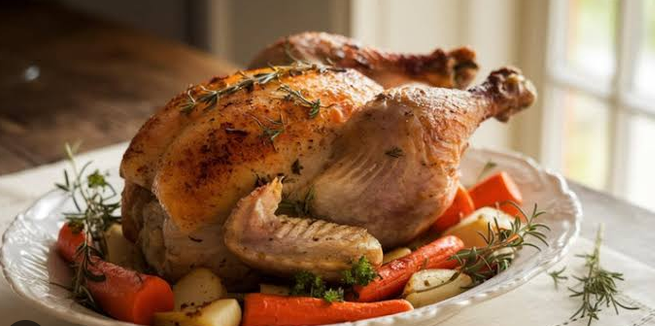
Chicken is one of the most popular ingredients in home kitchens because it is affordable, versatile, and easy to prepare in countless ways. You can bake it, grill it, roast it, fry it, sauté it, or add it to soups, curries, pasta, salads, and sandwiches. However, even though chicken seems simple to cook, small mistakes can lead to dry meat, bland flavor, uneven cooking, or food-safety problems.
Whether you are a beginner or an experienced home cook, understanding common chicken cooking mistakes can help you prepare meals that are more flavorful, tender, juicy, and properly cooked. The good news is that most mistakes are easy to avoid once you know what causes them.
In this guide, we will discuss 10 common chicken cooking mistakes and how to avoid them, along with practical tips that can make your chicken dishes more successful every time.
1. Cooking Chicken Straight From the Refrigerator
One common mistake is putting very cold chicken directly into a hot pan, oven, or grill without allowing it to sit briefly before cooking.
Cold chicken can cook unevenly, especially when the pieces are thick. The outside may become overcooked while the center takes much longer to reach the proper temperature.
How to Avoid It
Take the chicken out of the refrigerator shortly before cooking and prepare it while it loses some of its refrigerator chill. However, do not leave raw chicken sitting at room temperature for extended periods.
For best results, focus less on trying to make the chicken completely room temperature and more on cooking pieces that are similar in size and thickness. If you are using chicken breasts, you can gently pound thicker portions so that the meat has a more even thickness.
This allows heat to reach the center more consistently without overcooking the thinner parts.
2. Not Drying the Chicken Before Cooking
Another common mistake is placing wet chicken directly into a frying pan or onto a grill.
Moisture on the surface creates steam when the chicken hits the heat. Instead of developing a flavorful browned exterior, the chicken may steam. This is particularly noticeable when pan-searing or grilling chicken.
How to Avoid It
Before seasoning the chicken, gently pat the surface dry with paper towels. Drying the surface helps the chicken brown more effectively.
This is especially important when making:
- Grilled chicken
- Pan-seared chicken
- Roasted chicken
- Crispy chicken
- Fried chicken
After drying the chicken, apply your seasoning, marinade, or coating according to the recipe.
A dry surface combined with sufficiently hot cooking equipment can help create a more attractive and flavorful exterior.
3. Using Too Much or Too Little Seasoning
Chicken has a relatively mild natural flavor, which makes it versatile but also means that poorly seasoned chicken can taste bland.
Some cooks use very little seasoning because they are afraid of making the chicken too salty. Others add large amounts of seasoning without considering the size of the chicken pieces.
How to Avoid It
Season chicken according to its size and the cooking method. Salt is particularly important because it enhances the natural flavor of the meat.
You can also build flavor with ingredients such as:
- Black pepper
- Garlic
- Paprika
- Onion powder
- Cumin
- Chili powder
- Lemon juice
- Fresh herbs
- Dried herbs
- Ginger
- Yogurt
- Olive oil
For larger pieces such as whole chicken breasts or thighs, seasoning the chicken ahead of time can allow the salt and other flavors to distribute more effectively.
If you are using a salty marinade, sauce, soy sauce, or seasoning blend, reduce additional salt to prevent the finished dish from becoming overly salty.
4. Overcrowding the Pan
Overcrowding is one of the most common mistakes when cooking chicken in a skillet.
When too many pieces are placed into a pan at once, the temperature of the pan can drop. The chicken releases moisture, and instead of browning properly, the pieces may begin to steam.
The result can be pale chicken with a less flavorful exterior.
How to Avoid It
Give each piece enough space so that heat can circulate around it.
If you are cooking a large amount of chicken, work in batches rather than trying to fit everything into one pan.
Allow the pan to become properly heated before adding the chicken. Once the chicken is in the pan, avoid constantly moving it around. Give the surface enough time to develop browning before turning the pieces.
This simple change can make a significant difference in the texture and flavor of your chicken.
5. Cooking Chicken at the Wrong Temperature
Temperature plays an important role in chicken cooking. If the heat is too high, the outside can burn before the inside is fully cooked. If the heat is too low, the chicken can take too long to cook and may not develop good browning.
How to Avoid It
Choose the cooking temperature based on the recipe and the cut of chicken.
For example, when pan-searing chicken, medium to medium-high heat can help create a browned exterior while allowing the inside to cook properly. When baking chicken, use the temperature recommended by the recipe and adjust the cooking time based on the thickness and size of the pieces.
A reliable kitchen thermometer is one of the most useful tools for cooking chicken. Instead of relying entirely on appearance or cooking time, check the thickest part of the meat to determine whether it has reached a safe internal temperature.
Remember that cooking time can vary depending on:
- Chicken size
- Thickness
- Bone-in or boneless pieces
- Starting temperature
- Cooking method
- Oven or pan temperature
Therefore, a recipe’s cooking time should be treated as a guideline rather than an absolute rule.
6. Cutting the Chicken Too Soon
Many people make the mistake of slicing chicken immediately after removing it from the oven, pan, or grill.
When chicken is extremely hot, its juices are still moving through the meat. Cutting it immediately can allow some of those juices to escape onto the cutting board instead of remaining in the meat.
This can make the chicken seem drier.
How to Avoid It
Allow cooked chicken to rest for a few minutes before slicing or serving.
The exact resting time depends on the size of the chicken. Small pieces may only need a few minutes, while larger pieces or whole chickens benefit from a longer resting period.
During this time, the meat can settle and retain more of its juices.
When slicing chicken breasts, cut against the grain when practical. This can shorten the muscle fibers and make each bite feel more tender.
7. Overcooking the Chicken
Perhaps the most common chicken problem is overcooking.
Chicken breasts are particularly easy to overcook because they contain less fat than many other cuts. Leaving them on the heat for too long can produce dry, tough, and chewy meat.
Many people continue cooking chicken simply because they are worried about undercooking it.
How to Avoid It
Use a food thermometer rather than guessing.
Insert the thermometer into the thickest part of the chicken without touching the bone. Check the temperature carefully and remove the chicken from the heat when it reaches the safe temperature appropriate for your cooking situation.
Remember that chicken can continue cooking slightly after being removed from the heat because of residual heat.
The goal is not to cook chicken for the longest possible time. The goal is to cook it thoroughly while avoiding unnecessary additional cooking.
Choosing naturally juicier cuts, such as chicken thighs, can also make it easier to achieve tender results.
8. Forgetting to Marinate or Brine When Appropriate
Chicken does not always require a marinade or brine, but skipping these techniques when a recipe calls for them can result in less flavorful meat.
A marinade can add flavor to the surface and may contribute to a more enjoyable texture. Brining, meanwhile, can help certain chicken preparations retain moisture.
How to Avoid It
Use a marinade when you want to add strong flavors before cooking.
Popular marinade ingredients include:
- Yogurt
- Lemon juice
- Garlic
- Ginger
- Olive oil
- Herbs
- Spices
- Vinegar
- Buttermilk
For example, yogurt-based marinades work particularly well for many grilled and roasted chicken dishes.
However, avoid marinating chicken indefinitely. Highly acidic marinades can affect the texture if the chicken is left in them for too long.
Always refrigerate chicken while it is marinating.
If you want a simple preparation, you can skip marinating altogether and use a well-seasoned dry rub or a basic combination of salt, pepper, herbs, and spices.
9. Washing Raw Chicken
Some people rinse raw chicken under running water because they believe washing it makes the chicken cleaner.
In reality, washing raw chicken can spread bacteria around the kitchen through water droplets and splashes. It does not provide a reliable safety benefit because proper cooking is what makes chicken safe to eat.
How to Avoid It
Do not rinse raw chicken under the faucet.
Instead, remove the chicken from its packaging carefully and pat it dry with disposable paper towels if needed.
After handling raw chicken:
- Wash your hands thoroughly with soap and water.
- Clean surfaces that came into contact with raw chicken.
- Wash cutting boards and utensils properly.
- Keep raw chicken separate from ready-to-eat foods.
- Avoid placing cooked chicken on a plate that previously held raw chicken unless it has been properly washed.
Food safety is just as important as flavor and texture.
10. Using the Same Cutting Board for Everything
Cross-contamination is another common kitchen mistake.
If you cut raw chicken on a cutting board and then use the same board to chop vegetables, bread, fruit, or other ready-to-eat foods without properly cleaning it, bacteria from the raw chicken can transfer to those foods.
How to Avoid It
Use separate cutting boards when possible. If you only have one cutting board, wash it thoroughly with hot, soapy water after preparing raw chicken before using it for other foods.
Also clean knives, countertops, plates, and other utensils that have contacted raw chicken.
A good kitchen routine is to prepare vegetables and other ready-to-eat ingredients first, then prepare raw chicken afterward. This can reduce the risk of accidentally contaminating foods that will not be cooked.
Bonus Tips for Better Chicken Every Time
Avoiding the major mistakes above can significantly improve your chicken dishes, but a few additional habits can make your cooking even better.
Choose the Right Chicken Cut
Different chicken cuts behave differently during cooking.
Chicken Breast
Chicken breast is lean and mild in flavor. It is excellent for grilling, baking, pan-searing, salads, sandwiches, and meal preparation. Because it is lean, it can become dry when overcooked.
Chicken Thighs
Chicken thighs contain more fat and connective tissue than breast meat. They are often more forgiving during cooking and can remain juicy even when cooked longer.
Chicken Wings
Wings are ideal for roasting, frying, grilling, and air frying. They benefit from high-heat cooking that helps render fat and crisp the skin.
Whole Chicken
A whole chicken requires careful attention to both the breast and thigh areas because different parts cook at different rates.
Choosing the appropriate cooking method for the cut can make your results much more consistent.
Don’t Depend Only on Cooking Time
Recipes often say things such as “cook for 20 minutes” or “bake for 30 minutes.” However, chicken pieces can vary considerably in size.
Two chicken breasts may have different thicknesses and therefore require different cooking times.
Instead of relying only on the clock, consider the internal temperature, thickness, and appearance of the chicken.
A thermometer provides much more useful information than simply assuming that a certain number of minutes guarantees perfect results.
Let Chicken Rest Before Serving
Resting is an easy step that many home cooks skip.
Once chicken is cooked, place it on a clean plate or cutting board and allow it to rest briefly. Larger pieces need more time than small pieces.
This short waiting period can help the meat retain more moisture and make slicing easier.
Use Sauces and Finishing Ingredients
Even perfectly cooked chicken can benefit from a flavorful finishing touch.
You can add:
- Lemon juice
- Fresh herbs
- Garlic butter
- Yogurt sauce
- Tomato sauce
- Salsa
- Pan sauce
- Chili sauce
- Honey-based glaze
Adding a sauce after cooking can also help bring moisture and additional flavor to lean chicken breast.
Common Questions About Cooking Chicken
Why does my chicken become dry?
The most common reason is overcooking. Chicken breast is especially vulnerable because it is lean. Using a thermometer and avoiding unnecessary cooking time can help prevent dryness.
Should chicken be washed before cooking?
No. Washing raw chicken can spread bacteria around the kitchen. Proper cooking and good kitchen hygiene are more important.
Why isn’t my chicken browning?
The chicken may be too wet, the pan may be overcrowded, or the cooking surface may not be hot enough. Pat the chicken dry, avoid overcrowding, and give the pan enough time to heat.
How can I make chicken more flavorful?
Season it properly and consider using a marinade, dry rub, brine, sauce, herbs, garlic, spices, or other flavor-building ingredients.
Should I cut chicken immediately after cooking?
It is generally better to let the chicken rest briefly before cutting. This can help it retain more moisture.
Final Thoughts
Cooking delicious chicken does not require complicated techniques. Most problems come from a few simple mistakes, such as overcooking, overcrowding the pan, failing to dry the chicken, using inadequate seasoning, or ignoring food-safety practices.
The most important habits are to cook chicken thoroughly, use a thermometer when possible, avoid cross-contamination, choose the right cooking temperature, and avoid overcooking. Drying the chicken before searing, seasoning it properly, allowing it to rest, and choosing the appropriate cut can further improve the final result.
Once you understand these common mistakes, you can confidently prepare chicken using almost any cooking method. Whether you are making a quick weeknight dinner, grilled chicken for a barbecue, roasted chicken for the family, or a simple chicken meal-prep recipe, these basic principles can help you achieve better flavor, texture, and consistency every time.