
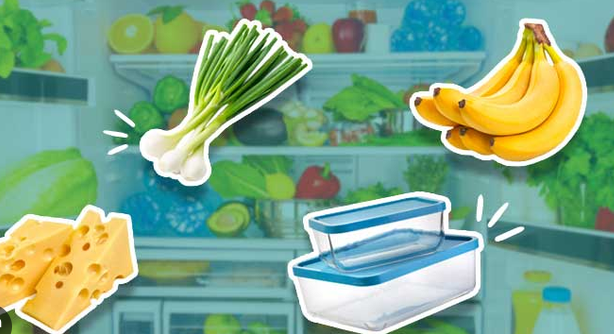
Keeping food fresh for as long as possible is an important part of maintaining a clean, organized, and economical kitchen. Proper food storage can help reduce waste, preserve flavor and texture, and make everyday cooking much easier. Many ingredients spoil quickly simply because they are stored in the wrong place, exposed to too much moisture, or left in unsuitable containers.
Whether you are storing fresh vegetables, fruits, meat, dairy products, grains, herbs, or leftovers, a few simple habits can make a significant difference. You do not always need expensive containers or special equipment. Understanding how different foods react to temperature, air, light, moisture, and humidity is often enough to extend their usable life.
In this guide, you will learn 15 practical food storage tips that can help keep common ingredients fresh for longer. These methods are easy to follow and suitable for everyday home kitchens.
1. Keep Your Refrigerator at the Right Temperature
One of the simplest ways to keep perishable foods fresh is to maintain your refrigerator at an appropriate temperature. A refrigerator that is too warm can allow bacteria to multiply more quickly, while extremely cold temperatures can damage some fruits and vegetables.
For most refrigerated foods, keeping the refrigerator around 4°C (40°F) or below is a useful target. The freezer should generally be maintained around -18°C (0°F).
Use a refrigerator thermometer if your appliance does not display an accurate internal temperature. Avoid placing too much food inside at once because overcrowding can restrict cold-air circulation.
It is also helpful to avoid leaving the refrigerator door open for long periods. Every time the door is opened, warm air enters and the temperature can fluctuate.
2. Store Fruits and Vegetables Properly
Different fruits and vegetables have different storage requirements. Some vegetables prefer a cool, humid environment, while others stay fresher in a dry and well-ventilated location.
Leafy vegetables such as spinach, lettuce, and coriander often benefit from being stored in the refrigerator with excess moisture controlled. Wrapping leafy greens loosely in a clean paper towel can help absorb extra moisture and reduce premature wilting.
Root vegetables such as potatoes, onions, and garlic generally prefer a cool, dry, dark, and well-ventilated location rather than the refrigerator.
Avoid storing potatoes and onions directly together because gases and moisture can contribute to faster spoilage.
Learning which produce belongs in the refrigerator and which should remain at room temperature can significantly reduce food waste.
3. Use Airtight Containers for Dry Ingredients
Dry foods such as rice, flour, sugar, pasta, oats, lentils, beans, and cereals can absorb moisture and odors from the surrounding environment.
Airtight containers provide a simple solution. Transfer opened packages into clean, dry containers with secure lids. This protects ingredients from humidity, insects, dust, and unwanted odors.
Transparent containers can be particularly useful because you can see how much food remains without opening every container.
Always make sure the container is completely dry before adding a new ingredient. Even a small amount of moisture can cause dry foods to become lumpy or develop mold.
4. Store Fresh Herbs Correctly
Fresh herbs can lose their quality quickly if they are stored incorrectly. Instead of simply leaving herbs in an open plastic bag, use a storage method appropriate for the type of herb.
Soft herbs such as coriander, parsley, and mint can often be treated somewhat like flowers. Trim the ends of the stems and place them upright in a container with a small amount of water. Covering them loosely can help maintain humidity without completely trapping moisture.
Harder herbs such as rosemary and thyme can often be wrapped loosely in a slightly damp paper towel and refrigerated.
Remove damaged or slimy leaves as soon as you notice them. One spoiled section can speed up deterioration of the surrounding herbs.
5. Keep Meat and Poultry on the Lowest Refrigerator Shelf
Raw meat, chicken, and seafood should be stored carefully to prevent juices from contaminating other foods.
A useful practice is to place raw meat and poultry on the lowest shelf of the refrigerator. Keep them in sealed containers, leak-proof bags, or trays.
This arrangement reduces the chance that liquid from raw food will drip onto ready-to-eat foods stored below or nearby.
If you are not planning to use meat within a reasonable refrigerated storage period, freezing it is usually a better option. Divide large quantities into meal-sized portions before freezing so you only need to thaw what you plan to use.
6. Freeze Food Before It Becomes Spoiled
Freezing is one of the most effective ways to extend the storage life of many foods. However, it is best to freeze ingredients while they are still fresh rather than waiting until they are already deteriorating.
Meat, poultry, bread, some vegetables, fruits, cooked meals, and many prepared ingredients can be frozen.
Before freezing, divide food into practical portions. Use freezer-safe containers or bags and remove as much excess air as possible.
Label each package with the name of the food and the date it was frozen. This makes it easier to use older items first and prevents forgotten food from accumulating at the back of the freezer.
7. Use the “First In, First Out” Method
The first-in, first-out method is a simple organization technique used in professional kitchens and can work just as well at home.
When you buy new ingredients, place older items toward the front of the cupboard, refrigerator, or pantry and put newer products behind them.
This encourages you to use older food before opening newer packages.
For example, if you already have a bag of pasta in your pantry and purchase another one, move the older package to the front.
This small habit can prevent forgotten ingredients from reaching their expiration or quality dates.
8. Store Bread Properly
Bread can become stale or moldy depending on how it is stored.
If you expect to eat bread within a short period, keep it in a cool, dry place away from direct sunlight and excess moisture. Avoid storing bread in an area where steam or heat frequently builds up.
For longer storage, freezing bread can be an excellent option. Slice the loaf before freezing if you usually use individual slices. This allows you to remove only what you need.
Store frozen bread in a well-sealed freezer bag or suitable freezer container to reduce exposure to air and moisture.
Avoid repeatedly moving bread between the refrigerator and room temperature because condensation can negatively affect its texture.
9. Keep Dairy Products Properly Refrigerated
Milk, yogurt, cream, cheese, and other dairy products are highly perishable and should generally remain refrigerated.
Keep dairy products in the main body of the refrigerator rather than relying on the refrigerator door whenever possible. The temperature in the door can fluctuate more frequently because it is repeatedly exposed to room-temperature air.
Always close containers tightly after use.
For products such as cottage cheese, yogurt, or cream, use clean utensils rather than eating directly from the container. Introducing food particles can contribute to faster spoilage.
Pay attention to changes in smell, texture, color, or appearance, and discard dairy products when they show clear signs of spoilage.
10. Store Cut Fruits and Vegetables in Sealed Containers
Once fruits and vegetables are cut, their exposed surfaces can deteriorate more quickly.
Store cut produce in clean, airtight containers and refrigerate it when appropriate.
For example, cut carrots, bell peppers, cucumbers, and similar vegetables can be portioned into containers for easy use during cooking or meal preparation.
Keeping prepared vegetables in visible containers can also encourage healthier eating because they are ready when you need them.
However, avoid preparing much more produce than you can reasonably use. Even properly stored cut vegetables generally have a shorter storage life than whole produce.
11. Keep Apples and Certain Fruits Away From Sensitive Produce
Some fruits naturally release ethylene gas as they ripen. Ethylene can accelerate ripening in nearby fruits and vegetables that are sensitive to it.
Apples, bananas, pears, avocados, and some other fruits can affect the ripening speed of nearby produce.
This does not mean you must isolate every fruit. Instead, be aware of which foods ripen quickly and separate them when necessary.
For example, if you want bananas to last longer, keeping them away from certain other fruits can help slow down unwanted ripening.
Understanding natural ripening behavior can help you manage your produce more effectively.
12. Keep Pantry Foods Away From Heat and Sunlight
Your pantry may seem like a simple storage area, but location matters.
Rice, flour, spices, cereals, canned foods, pasta, and other pantry ingredients generally last longer when stored in a cool, dry, dark location.
Avoid keeping food directly beside ovens, stoves, radiators, or other heat-producing appliances.
Heat can negatively affect the quality of certain ingredients, while sunlight can damage color, flavor, and nutritional quality.
If your kitchen becomes very hot during summer, consider storing suitable dry ingredients in a cooler part of the home.
13. Label Opened Packages and Prepared Foods
Labels can make food storage much more organized.
Whenever you open a package or prepare a meal for storage, write the date on the container. You can also include the name of the ingredient if it is not obvious.
For frozen foods, labeling is particularly helpful because frozen items can look similar after several weeks.
A simple label such as “Chicken Curry – Sept. 29” immediately tells you what the container contains and when it was stored.
This system is especially useful for families who regularly prepare large batches of food.
14. Do Not Store Hot Food Immediately in Large Containers
When storing leftovers, allow food to cool appropriately before refrigeration, but do not leave perishable food sitting at room temperature for an extended period.
Large quantities of hot food can take a long time to cool when placed in one deep container. Dividing leftovers into smaller, shallow containers can help them cool more efficiently.
Once properly cooled and stored, keep leftovers refrigerated and use them within an appropriate period.
If you have prepared a large batch of soup, rice, curry, pasta, or another meal, dividing it into individual portions can make both cooling and future reheating easier.
15. Clean Your Refrigerator and Pantry Regularly
Even the best storage methods will not work well if your refrigerator and pantry are dirty or disorganized.
Make refrigerator cleaning part of your regular kitchen routine. Remove spoiled foods, wipe up spills, and clean shelves and drawers.
Pay special attention to produce drawers because forgotten vegetables and fruits can develop mold and create unpleasant odors.
In the pantry, check packages for insects, moisture, leaks, or damaged seals.
Regular cleaning also gives you an opportunity to check what you already have before going grocery shopping. This can prevent duplicate purchases and help you use ingredients before they deteriorate.
Bonus Tips for Better Food Storage
In addition to the 15 main tips above, a few extra habits can make your food storage system even more effective.
Check Packaging Before Buying
Food storage begins at the grocery store. Avoid buying packages that are damaged, leaking, swollen, or badly crushed.
For fresh produce, select items that are appropriate for when you expect to eat them. Buying extremely ripe produce when you will not use it for several days can increase waste.
Avoid Washing Some Produce Too Early
Although washing fruits and vegetables before eating is important, some produce may spoil faster when stored wet.
If you wash produce before storage, make sure it is dried thoroughly when appropriate. Excess moisture can encourage mold and deterioration.
Keep Your Storage Containers Clean
Reusable containers should be washed thoroughly and dried before being used again.
Never simply add new food on top of old residue. Leftover food particles can affect freshness and hygiene.
Organize Food by Type
Group similar ingredients together. Keep grains in one area, canned foods in another, baking ingredients together, and snacks in a separate section.
A well-organized pantry makes it easier to see what you have and use ingredients before they are forgotten.
Avoid Overfilling the Refrigerator
Cold air needs room to circulate. An excessively packed refrigerator can make it harder to maintain consistent temperatures.
Leave enough space between containers and avoid blocking refrigerator vents.
Common Food Storage Mistakes to Avoid
Some storage mistakes are surprisingly common. Avoiding them can make a noticeable difference.
One mistake is leaving perishable food at room temperature for too long. Another is placing uncovered food in the refrigerator, where it can dry out and absorb odors.
Using containers that are not airtight for dry ingredients can also allow moisture and insects to become a problem.
Another common mistake is ignoring older food because newer items are easier to reach. This is exactly why the first-in, first-out method is useful.
Finally, do not rely entirely on appearance or smell to determine whether every food is safe. Some harmful microorganisms may not produce obvious changes in appearance, smell, or taste. Proper temperature control and recommended storage practices are important.
How Proper Food Storage Saves Money
Food storage is not only about freshness. It can also help reduce grocery expenses.
When vegetables, fruits, meat, and other ingredients spoil before you use them, you are essentially paying for food that ends up in the trash.
Proper storage gives you more time to use what you purchase. Freezing extra portions, organizing your pantry, labeling leftovers, and planning meals around ingredients you already have can all reduce unnecessary purchases.
For example, if you buy a large package of chicken, divide it into meal-sized portions and freeze what you will not use immediately. Instead of allowing the entire package to sit in the refrigerator, you can preserve the extra portions for future meals.
Creating a Simple Food Storage Routine
You do not need to completely reorganize your kitchen in one day. Start with a few simple habits.
First, check your refrigerator and remove clearly spoiled food. Then organize ingredients so older products are easy to see. Move frequently used foods into convenient locations.
Next, invest in a few reusable airtight containers for leftovers and dry ingredients. Add labels to frozen foods and prepared meals.
Finally, make a weekly habit of checking your refrigerator and pantry before creating your grocery list.
This simple routine can keep your kitchen organized while helping you make better use of the food you purchase.
Final Thoughts
Keeping ingredients fresh for longer does not require complicated equipment or expensive storage systems. The most important factors are proper temperature, appropriate containers, moisture control, organization, and regular inspection.
By storing fruits and vegetables correctly, keeping meat and dairy refrigerated, freezing food before it deteriorates, using airtight containers, labeling leftovers, and following the first-in, first-out method, you can significantly improve your kitchen storage habits.
Good food storage also makes cooking easier. When ingredients are fresh, organized, and easy to find, meal preparation becomes faster and less stressful.
Start with a few of these 15 food storage tips and gradually turn them into everyday habits. A well-organized storage system can help protect food quality, reduce waste, save money, and make your kitchen more efficient.