
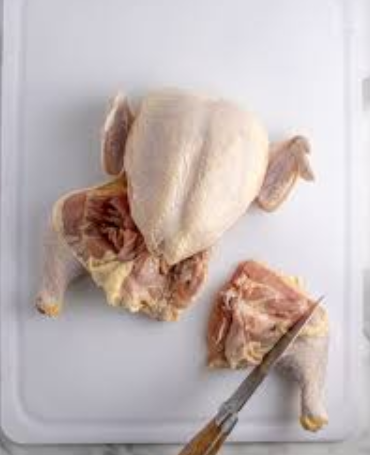
Chicken is one of the most versatile and popular ingredients in home cooking. It is affordable, easy to find, relatively quick to prepare, and can be cooked in countless ways. Whether you want to make a simple weeknight dinner, a flavorful curry, crispy fried chicken, juicy grilled chicken, or a healthy meal with vegetables, learning how to cook chicken properly gives you a strong foundation in the kitchen.
For beginners, however, cooking chicken can sometimes feel confusing. Different cuts require different cooking methods, and undercooked chicken can be unsafe while overcooked chicken can become dry and tough. The good news is that with a few basic techniques, simple seasonings, and proper cooking practices, anyone can prepare delicious chicken at home.
This complete beginner’s guide explains how to choose chicken, prepare it safely, season it, select the right cooking method, determine when it is done, and avoid common mistakes.
Why Chicken Is Great for Beginners
Chicken is an excellent ingredient for people who are learning to cook because it works with many different flavors and cooking techniques. Chicken breasts can be grilled, baked, pan-fried, or sliced into stir-fries. Chicken thighs are especially forgiving because they contain more fat and remain juicy during longer cooking.
Another advantage is that chicken can be used in many types of meals. You can serve it with rice, pasta, potatoes, vegetables, salads, bread, or noodles. It can also be seasoned with simple ingredients such as salt, black pepper, garlic, paprika, lemon juice, herbs, and spices.
Once you understand a few basic cooking principles, you can easily create your own chicken recipes.
Different Types of Chicken Cuts
Before learning how to cook chicken, it helps to understand the most common cuts.
Chicken Breast
Chicken breast is lean, mild in flavor, and widely available. It is often used for grilling, baking, pan-frying, sandwiches, salads, and stir-fries.
Because chicken breast contains relatively little fat, it can become dry if cooked for too long. Even thickness is important when cooking breast pieces so they cook evenly.
Chicken Thighs
Chicken thighs contain more fat than breasts, giving them a richer flavor and juicier texture. They are excellent for curries, roasting, grilling, and slow cooking.
Boneless thighs are convenient for quick meals, while bone-in thighs are excellent when you want deeper flavor.
Chicken Drumsticks
Drumsticks are affordable and flavorful. They work especially well for baking, grilling, roasting, and frying.
Their shape means they may require more cooking time than smaller boneless pieces.
Chicken Wings
Chicken wings are popular for appetizers and parties. They can be baked, grilled, air-fried, or fried.
They pair well with spicy sauces, garlic butter, barbecue sauce, or simple salt-and-pepper seasoning.
Whole Chicken
Cooking a whole chicken can look complicated, but it is actually a straightforward process once you understand the basics. A whole chicken can be roasted with herbs, garlic, lemon, and vegetables for a complete family meal.
How to Choose Fresh Chicken
Good cooking starts with good ingredients. When buying raw chicken, choose packages that are properly refrigerated and have not passed their use-by date.
Fresh chicken should have a mild smell rather than a strong unpleasant odor. The meat should look moist but not excessively slimy.
If buying packaged chicken, check that the packaging is intact and that there is no unusual leakage.
When possible, plan your meal before purchasing chicken so you know exactly how much you need.
How to Store Raw Chicken Safely
Raw chicken should be refrigerated promptly after purchase. Keep it in a sealed container or its original packaging and place it on the lowest shelf of the refrigerator to reduce the risk of juices contaminating other foods.
If you are not going to use chicken within a safe refrigerated storage period, freezing is a practical option.
Frozen chicken should be thawed safely in the refrigerator, in cold water, or using a microwave when it will be cooked immediately afterward. Avoid leaving raw chicken sitting at room temperature for extended periods.
Should You Wash Raw Chicken?
Washing raw chicken is generally unnecessary. Rinsing chicken can spread bacteria through splashing water onto sinks, countertops, utensils, or other foods.
Instead of washing it, remove the chicken from its packaging, pat the surface dry with paper towels if needed, and immediately clean your hands, utensils, and work surfaces after handling it.
Keeping raw chicken separate from ready-to-eat foods is one of the most important kitchen safety habits.
Essential Ingredients for Cooking Chicken
You do not need a large collection of ingredients to cook tasty chicken. A basic seasoning combination can include:
- Salt
- Black pepper
- Garlic
- Paprika
- Onion powder
- Lemon juice
- Cooking oil
- Dried herbs
- Chili powder
- Cumin
- Fresh herbs
You can start with just salt, pepper, garlic, and a little oil. Once you become more comfortable, experiment with different spices and sauces.
How to Prepare Chicken Before Cooking
Preparation depends on the recipe, but a simple process works for most chicken dishes.
First, remove the chicken from its packaging. Pat it dry with paper towels if necessary. Dry surfaces generally brown better during cooking.
Trim large pieces of excess fat or unwanted skin according to your recipe.
If using chicken breast, consider cutting very thick breasts horizontally or gently flattening them to create an even thickness. This helps prevent the outside from becoming overcooked while the center is still undercooked.
Then season the chicken evenly.
How to Season Chicken
Seasoning is one of the easiest ways to improve chicken.
For a simple everyday seasoning, combine salt, black pepper, garlic powder, paprika, and a small amount of oil.
For a spicy version, add chili powder, cayenne pepper, or crushed red pepper.
For a Mediterranean-style flavor, try garlic, lemon, oregano, black pepper, and olive oil.
For an Asian-inspired flavor, ingredients such as soy sauce, ginger, garlic, and sesame oil can work well.
For South Asian-style chicken, common spices include cumin, coriander, turmeric, chili powder, garam masala, ginger, garlic, and yogurt.
Allowing seasoned chicken to sit for a short time before cooking can help the flavors develop, especially when using a marinade.
How to Marinate Chicken
Marinating can add flavor and moisture to chicken. A basic marinade might contain oil, an acidic ingredient such as lemon juice or vinegar, salt, spices, and herbs.
Yogurt-based marinades are also popular because they work particularly well with chicken and spices.
Place the chicken and marinade in a sealed food-safe container or bag and refrigerate it while marinating.
Do not reuse marinade that has been in contact with raw chicken unless it is thoroughly cooked first.
How to Cook Chicken in a Pan
Pan-cooking is one of the easiest methods for beginners.
Start by heating a small amount of cooking oil in a suitable skillet over medium or medium-high heat.
Season the chicken and place it carefully into the hot pan. Avoid overcrowding because too many pieces can reduce the pan temperature and prevent proper browning.
Cook the chicken until the first side develops a golden-brown surface. Turn it over and continue cooking until the center is fully cooked.
Thicker pieces may need lower heat after browning so the inside can cook without burning the outside.
Pan-cooked chicken is excellent with rice, vegetables, pasta, or potatoes.
How to Bake Chicken
Baking is simple and requires relatively little hands-on cooking.
Preheat the oven according to your recipe. Arrange seasoned chicken in a suitable baking dish or on a baking sheet.
Brush or rub the chicken with a small amount of oil and add your preferred seasonings.
Place the chicken in the preheated oven and cook until it reaches a safe internal temperature.
Chicken breasts can be baked with garlic, herbs, lemon, or a simple spice mixture. Chicken thighs and drumsticks can also be roasted with potatoes, onions, carrots, or other vegetables.
How to Grill Chicken
Grilling gives chicken a delicious smoky flavor and attractive browned marks.
Before grilling, season or marinate the chicken. Preheat the grill and lightly oil the cooking surface if appropriate.
Place the chicken on the grill and cook it without constantly moving it. Turn it when the first side has developed good browning.
Thicker chicken pieces may need indirect or lower heat to cook completely without burning.
Always check the thickest part of the meat before serving.
How to Air-Fry Chicken
An air fryer can produce browned and crispy chicken with less oil than traditional deep frying.
Season chicken according to your recipe and arrange the pieces in the air-fryer basket without overcrowding.
Cook according to the size and type of chicken. Smaller pieces generally cook faster than large bone-in pieces.
Turning or shaking the chicken during cooking can help promote even browning.
Air-fried chicken works well for wings, drumsticks, tenders, and breaded chicken pieces.
How to Fry Chicken
Fried chicken requires more preparation than baking or pan-cooking, but the result can be crispy and flavorful.
Chicken can be coated with seasoned flour, breadcrumbs, or a combination of flour and other ingredients.
Heat the oil to a suitable frying temperature before adding the chicken. Avoid adding too many pieces at once because this can cause the oil temperature to drop.
Cook until the coating becomes golden and the chicken is completely cooked inside.
Because hot oil can cause serious burns, use appropriate cookware and handle it carefully.
How to Cook Chicken in a Curry
Chicken curry is a popular way to prepare chicken because the meat absorbs the flavors of spices and sauce.
Start by heating oil in a pot and cooking onions until softened and lightly browned. Add garlic, ginger, and spices and cook briefly to release their aromas.
Add the chicken pieces and cook them with the spices. Tomatoes, yogurt, coconut milk, or stock can be used to create different types of curry sauces.
Add enough liquid for the chicken to cook properly and simmer until the chicken is tender and completely cooked.
Chicken curry can be served with rice, naan, roti, or other bread.
How to Tell When Chicken Is Done
One of the most important skills when cooking chicken is knowing when it is safely cooked.
The most reliable method is using a food thermometer. Check the thickest part of the chicken without touching bone, and make sure the internal temperature reaches 165°F (74°C).
Do not rely only on the color of the meat. Chicken can sometimes appear white before it has reached a safe temperature, while slight pinkness does not always mean it is unsafe.
A thermometer provides much more reliable information than cutting the chicken repeatedly to check the center.
Common Mistakes Beginners Make
Cooking Chicken Straight From the Refrigerator
Very cold chicken can cook unevenly. Letting it sit briefly while you prepare the rest of the ingredients can help, although raw chicken should not be left at room temperature for long periods.
Using Too Much Heat
High heat can burn the outside while leaving the center undercooked. Medium or medium-high heat is often easier to control.
Overcooking Chicken Breast
Because breast meat is lean, it can quickly become dry. Use a thermometer and remove it from heat once it reaches the appropriate safe temperature.
Overcrowding the Pan
Too many pieces can cause steaming instead of browning. Cook in batches when necessary.
Not Seasoning Enough
Chicken has a mild natural flavor, so adequate seasoning is important. Season all sides rather than only one surface.
Cutting Chicken Immediately
Allow cooked chicken to rest for a few minutes before slicing. This can help the meat retain more of its juices.
Easy Beginner Chicken Recipe
If you are completely new to cooking chicken, try this simple pan-cooked recipe.
Ingredients
- 2 boneless chicken breasts
- 1 tablespoon cooking oil
- 1 teaspoon paprika
- 1 teaspoon garlic powder
- Salt to taste
- Black pepper to taste
- 1 teaspoon lemon juice
Instructions
First, pat the chicken dry with paper towels. If the breasts are very thick, gently flatten them to create a more even thickness.
Mix paprika, garlic powder, salt, and black pepper. Rub the seasoning evenly over both sides of the chicken.
Heat oil in a skillet over medium heat.
Place the chicken in the pan and cook until the underside is nicely browned. Turn the chicken and continue cooking.
Reduce the heat if the outside is browning too quickly.
Check the thickest part using a food thermometer. Once the chicken reaches 165°F (74°C), remove it from the heat.
Let it rest for a few minutes, then add a little lemon juice before serving.
Serve with rice, roasted vegetables, salad, potatoes, or bread.
How to Keep Chicken Juicy
Keeping chicken juicy mainly comes down to controlling cooking time and temperature.
Choose thighs when you want a naturally richer and more forgiving cut. For chicken breast, avoid unnecessarily long cooking times.
Marinating can also improve flavor and texture. Using a moderate cooking temperature helps prevent the outside from becoming dry before the center is cooked.
Resting cooked chicken before slicing is another useful habit.
Finally, use a thermometer rather than guessing. This is especially helpful for beginners because it removes much of the uncertainty.
Best Side Dishes for Chicken
Chicken can be paired with almost anything.
For a simple meal, serve it with:
- Steamed rice
- Mashed potatoes
- Roasted potatoes
- Green beans
- Carrots
- Mixed vegetables
- Fresh salad
- Pasta
- Noodles
- Bread or flatbread
For a lighter meal, grilled chicken can be served with salad and roasted vegetables.
For a comforting dinner, baked chicken pairs well with mashed potatoes and gravy.
For a quick lunch, sliced chicken can be added to sandwiches, wraps, salads, or rice bowls.
How to Store Cooked Chicken
After cooking, refrigerate leftover chicken promptly in a covered container.
Divide large quantities into smaller containers so they cool more efficiently.
When reheating chicken, make sure it is heated thoroughly before eating. If the chicken becomes dry during reheating, adding a small amount of sauce, stock, or water can help improve its texture.
Avoid repeatedly reheating the same portion. Instead, reheat only the amount you plan to eat.
How to Make Chicken More Flavorful
Once you master basic cooking, you can experiment with different flavor combinations.
For a garlic chicken, use garlic, butter or oil, black pepper, and herbs.
For spicy chicken, combine paprika, chili powder, garlic, cumin, and lemon.
For barbecue chicken, use a barbecue-style sauce after or during cooking.
For creamy chicken, create a sauce using ingredients such as cream, yogurt, cheese, or a suitable cooking sauce.
For herb chicken, combine rosemary, thyme, oregano, garlic, lemon, and olive oil.
The key is to balance salt, acidity, spices, and fat rather than adding large quantities of every ingredient.
Tips for Cooking Chicken for a Family
When cooking for several people, choose cuts that are easy to prepare in large quantities. Chicken thighs, drumsticks, and whole roasted chickens can be convenient for family meals.
Prepare seasonings and side dishes before starting the chicken. This prevents the meat from sitting too long while you prepare other components.
Use a large enough pan or baking tray so the chicken has enough space.
If preparing multiple batches, keep cooked food safely stored while finishing the remaining portions.
Frequently Asked Questions
What is the easiest way to cook chicken for beginners?
Pan-cooking, baking, and air frying are all beginner-friendly methods. Baking is particularly convenient because you can season the chicken, place it in the oven, and check it with a thermometer when it is close to being done.
Is chicken breast or thigh easier to cook?
Chicken thighs are generally more forgiving because they contain more fat and tend to remain juicy during cooking. Chicken breast is leaner and requires more attention to cooking time.
Can I cook frozen chicken?
Cooking methods and times vary depending on the recipe and equipment. Thawing chicken safely before cooking makes it easier to achieve even results. If cooking from frozen, follow a method specifically designed for frozen chicken and verify that the thickest part reaches a safe internal temperature.
How do I prevent chicken from becoming dry?
Avoid overcooking, use appropriate heat, and check the internal temperature with a thermometer. Marinating and choosing naturally moist cuts such as thighs can also help.
Can I prepare chicken ahead of time?
Yes. Chicken can be cooked ahead and refrigerated properly for later meals. It can then be used in sandwiches, salads, wraps, rice dishes, pasta, and other recipes.
Final Thoughts
Learning how to cook chicken does not require advanced culinary skills. The most important things are choosing the right cut, preparing it safely, seasoning it properly, selecting an appropriate cooking method, and checking the internal temperature.
Start with simple recipes such as pan-cooked or baked chicken. Once you become comfortable with basic techniques, try grilling, air frying, frying, curries, stir-fries, and different marinades.
Remember that chicken should reach 165°F (74°C) internally for safe consumption. A reliable food thermometer is one of the most useful tools a beginner can have in the kitchen.