
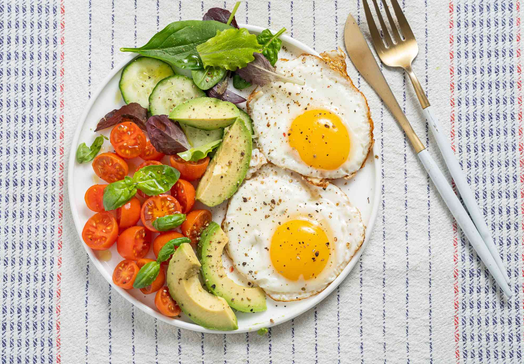
Breakfast is often called the most important meal of the day, but what you eat in the morning can matter just as much as whether you eat breakfast at all. A breakfast that contains enough protein, fiber, healthy fats, and other essential nutrients can help you feel satisfied, support muscle maintenance, and provide steady energy throughout the morning.
Protein is particularly useful at breakfast because it can help you stay full for longer compared with a meal that is mostly refined carbohydrates. Eggs, Greek yogurt, cottage cheese, milk, beans, chicken, oats, nuts, seeds, and other protein-rich ingredients can all be used to create delicious and satisfying morning meals.
If you are tired of eating the same eggs or cereal every morning, there are plenty of simple ways to make breakfast more interesting. The following 10 high-protein breakfast recipes combine nutritious ingredients with practical preparation methods. They can work for busy weekdays, relaxed weekends, meal preparation, or anyone who wants to add more protein to their morning routine.
Why Choose a High-Protein Breakfast?
Protein is one of the three major macronutrients, along with carbohydrates and fats. It is made from amino acids that the body uses for many important functions, including maintaining muscles and producing enzymes and hormones.
Including protein in breakfast can make the meal more balanced. For example, instead of eating a breakfast consisting only of toast and jam, you could add eggs, Greek yogurt, cottage cheese, or another protein source.
A protein-rich breakfast can also be combined with fiber-rich foods such as fruits, vegetables, oats, and whole grains. This combination can make breakfast more satisfying while providing a variety of nutrients.
The recipes below offer different sources of protein, so you can choose options that fit your taste and dietary preferences.
1. Vegetable and Cheese Egg Omelet
An omelet is one of the easiest ways to create a high-protein breakfast. Eggs provide protein, while vegetables add fiber, vitamins, minerals, and flavor. A small amount of cheese can add additional protein and make the omelet creamy and satisfying.
Ingredients
- 3 large eggs
- ¼ cup chopped bell pepper
- ¼ cup chopped onion
- ¼ cup chopped tomatoes
- 2 tablespoons shredded cheese
- 1 teaspoon olive oil
- Salt to taste
- Black pepper to taste
- Fresh herbs, optional
Instructions
- Crack the eggs into a bowl and whisk until well combined.
- Heat olive oil in a nonstick pan over medium heat.
- Add the onion and bell pepper and cook for 2–3 minutes.
- Add the tomatoes and cook briefly.
- Pour the beaten eggs over the vegetables.
- Allow the eggs to cook until the edges begin to set.
- Sprinkle cheese over one side of the omelet.
- Fold the omelet in half and cook for another minute.
- Serve immediately with whole-grain toast or fresh fruit.
Why It Works
This breakfast combines eggs with vegetables and cheese for a filling meal. You can increase the protein further by adding cottage cheese or cooked chicken.
2. Greek Yogurt and Berry Protein Bowl
If you prefer a quick breakfast that requires little or no cooking, a Greek yogurt bowl is an excellent choice. Greek yogurt is naturally rich in protein and pairs well with fruit, nuts, and seeds.
Ingredients
- 1 cup plain Greek yogurt
- ½ cup strawberries or blueberries
- 1 small banana
- 1 tablespoon chia seeds
- 1 tablespoon chopped almonds or walnuts
- 1 tablespoon rolled oats
- 1 teaspoon honey, optional
- Cinnamon, optional
Instructions
- Place Greek yogurt in a bowl.
- Add sliced banana and berries.
- Sprinkle chia seeds, oats, and chopped nuts on top.
- Add a small amount of honey if you prefer a sweeter breakfast.
- Finish with a sprinkle of cinnamon.
Why It Works
The yogurt provides protein, while fruit contributes carbohydrates, fiber, and micronutrients. Nuts and chia seeds add healthy fats and additional nutrients.
For a lower-sugar version, use plain yogurt and rely on naturally sweet fruit for flavor.
3. High-Protein Overnight Oats
Overnight oats are ideal for busy mornings because they can be prepared the night before. Traditional oats become more filling when combined with milk, Greek yogurt, chia seeds, and nut butter.
Ingredients
- ½ cup rolled oats
- ½ cup milk
- ½ cup Greek yogurt
- 1 tablespoon chia seeds
- 1 tablespoon peanut butter or almond butter
- ½ banana, mashed
- ½ teaspoon cinnamon
- A few berries for topping
Instructions
- Add oats, milk, Greek yogurt, chia seeds, peanut butter, mashed banana, and cinnamon to a container.
- Stir thoroughly.
- Cover the container and refrigerate overnight.
- In the morning, stir the mixture again.
- Add berries or sliced banana before serving.
Why It Works
This recipe combines several protein-containing ingredients while also providing complex carbohydrates and fiber. It is particularly convenient when you do not have time to cook breakfast in the morning.
You can prepare several portions at once and keep them refrigerated for quick breakfasts during the week.
4. Cottage Cheese Toast With Eggs
Cottage cheese is a versatile protein-rich ingredient that works surprisingly well on toast. Adding eggs creates an even more substantial breakfast.
Ingredients
- 2 slices whole-grain bread
- ½ cup cottage cheese
- 2 eggs
- ¼ avocado, sliced
- Tomato slices
- Black pepper
- Optional fresh herbs
Instructions
- Toast the whole-grain bread.
- Spread cottage cheese evenly over each slice.
- Cook the eggs according to your preference.
- Place the eggs over the cottage cheese.
- Add tomato and avocado slices.
- Season with black pepper and fresh herbs.
Why It Works
The cottage cheese and eggs provide two convenient protein sources. Whole-grain bread provides carbohydrates and fiber, while avocado adds healthy fats.
For extra flavor, you can add chili flakes, paprika, or a small amount of hot sauce.
5. Chicken and Vegetable Breakfast Wrap
Breakfast does not have to be limited to traditional breakfast foods. A chicken wrap can be a delicious way to start the day, especially if you prefer savory meals.
Ingredients
- 1 whole-grain tortilla
- ½ cup cooked shredded chicken
- 1 egg
- ¼ cup chopped bell pepper
- ¼ cup chopped tomatoes
- 2 tablespoons shredded cheese
- Lettuce or spinach
- Black pepper
- A small amount of olive oil
Instructions
- Heat a small amount of olive oil in a pan.
- Add bell pepper and cook for a few minutes.
- Add the egg and scramble with the vegetables.
- Warm the tortilla.
- Place cooked chicken in the center.
- Add the scrambled egg and vegetables.
- Sprinkle cheese over the filling.
- Add spinach or lettuce.
- Fold the sides of the tortilla inward and roll tightly.
- Serve warm.
Why It Works
Chicken and eggs provide a substantial amount of protein, while vegetables add volume and nutrients. Using a whole-grain tortilla can also increase the fiber content of the meal.
This is an especially useful recipe for leftover cooked chicken.
6. Protein-Packed Breakfast Smoothie
A smoothie can be a convenient option when you need breakfast on the go. However, many commercial smoothies contain lots of sugar but relatively little protein. Making your own allows you to control the ingredients.
Ingredients
- 1 cup milk
- ½ cup Greek yogurt
- 1 banana
- 1 tablespoon peanut butter
- 1 tablespoon chia seeds
- ½ cup berries
- A handful of spinach
- Ice cubes as needed
- Cinnamon, optional
Instructions
- Add milk to a blender.
- Add Greek yogurt, banana, peanut butter, chia seeds, berries, and spinach.
- Blend until smooth.
- Add ice if you want a colder and thicker smoothie.
- Pour into a glass and serve immediately.
Why It Works
Greek yogurt and milk provide protein, while peanut butter and chia seeds contribute additional protein and healthy fats. Fruit provides natural sweetness and carbohydrates.
If the smoothie is too thick, add more milk. If it is not sweet enough, use additional fruit instead of adding large amounts of sugar.
7. Scrambled Eggs With Black Beans and Whole-Grain Toast
Combining eggs with beans is an easy way to make a more filling breakfast. Black beans provide plant-based protein and fiber, while eggs provide high-quality protein.
Ingredients
- 2 eggs
- ½ cup cooked black beans
- 1 slice whole-grain toast
- ¼ cup chopped tomatoes
- ¼ cup chopped bell pepper
- 1 teaspoon olive oil
- Black pepper
- Paprika
- Optional fresh coriander
Instructions
- Heat olive oil in a pan.
- Add bell pepper and tomatoes.
- Cook for 2–3 minutes.
- Add black beans and warm them thoroughly.
- Beat the eggs in a bowl.
- Add the eggs to the pan and scramble with the vegetables and beans.
- Season with black pepper and paprika.
- Serve with toasted whole-grain bread.
- Add fresh coriander if desired.
Why It Works
This meal combines animal and plant sources of protein with fiber-rich beans and whole grains. It is also highly customizable. You can add onions, spinach, mushrooms, or other vegetables.
8. High-Protein Banana Pancakes
Pancakes can also be part of a nutritious breakfast when you choose ingredients that provide more protein and fiber. These banana pancakes are simple to prepare and naturally sweet.
Ingredients
- 1 ripe banana
- 2 eggs
- ½ cup rolled oats
- ¼ cup Greek yogurt
- ½ teaspoon baking powder
- ½ teaspoon cinnamon
- 1 teaspoon oil for cooking
- Fresh berries for topping
Instructions
- Mash the banana in a bowl.
- Add eggs and Greek yogurt and mix well.
- Add oats, baking powder, and cinnamon.
- Stir until you have a thick batter.
- Heat a lightly oiled nonstick pan over medium heat.
- Pour small portions of batter into the pan.
- Cook until bubbles appear on the surface.
- Flip and cook the other side.
- Repeat until all the batter is used.
- Serve with berries and a spoonful of Greek yogurt.
Why It Works
Eggs and Greek yogurt increase the protein content while bananas provide natural sweetness. Oats provide complex carbohydrates and fiber.
Avoid covering the pancakes with large amounts of sugary syrup if your goal is a balanced breakfast. Fresh fruit and yogurt can provide plenty of flavor.
9. Savory Cottage Cheese and Vegetable Bowl
Cottage cheese is not only useful for sweet recipes. It can be transformed into a simple savory breakfast bowl by combining it with vegetables, herbs, and whole grains.
Ingredients
- 1 cup cottage cheese
- ½ cup chopped cucumber
- ½ cup chopped tomatoes
- ¼ avocado
- 1 tablespoon pumpkin seeds
- ½ slice whole-grain toast, chopped into pieces
- Fresh herbs
- Black pepper
- Paprika
Instructions
- Add cottage cheese to a bowl.
- Top with cucumber and tomatoes.
- Add sliced avocado.
- Sprinkle pumpkin seeds over the top.
- Add pieces of toasted whole-grain bread.
- Season with black pepper and paprika.
- Finish with fresh herbs.
Why It Works
Cottage cheese provides a convenient protein base, while vegetables add freshness and nutrients. Pumpkin seeds provide additional protein and healthy fats.
This recipe is especially useful when you want something quick but do not want a sweet breakfast.
10. Breakfast Quinoa Bowl With Eggs and Vegetables
Quinoa is a versatile grain-like food that can be used in both sweet and savory meals. Combining cooked quinoa with eggs and vegetables creates a nutrient-dense breakfast.
Ingredients
- ¾ cup cooked quinoa
- 2 eggs
- ½ cup spinach
- ¼ cup chopped tomatoes
- ¼ cup bell pepper
- 1 teaspoon olive oil
- Black pepper
- Paprika
- Optional avocado
Instructions
- Heat olive oil in a pan.
- Add bell pepper and tomatoes.
- Cook for several minutes.
- Add spinach and cook until slightly wilted.
- Add cooked quinoa and warm everything together.
- Cook the eggs separately or add them to the same pan.
- Place the quinoa and vegetables in a bowl.
- Add the eggs on top.
- Season with black pepper and paprika.
- Add avocado if desired.
Why It Works
Quinoa provides plant-based protein and carbohydrates, while eggs add additional protein. Vegetables increase the nutrient variety of the meal.
You can prepare the quinoa ahead of time and store it in the refrigerator, making this breakfast much faster to assemble.
How Much Protein Should Breakfast Contain?
There is no single protein amount that is perfect for everyone. Protein needs depend on factors such as age, body size, activity level, overall diet, and personal goals.
Instead of focusing only on a specific number, try to include a meaningful protein source in your breakfast. Eggs, Greek yogurt, cottage cheese, milk, beans, chicken, fish, tofu, nuts, and seeds are examples of foods that can contribute protein.
If you regularly exercise or participate in resistance training, spreading protein throughout the day can also be a practical approach rather than consuming most of it in one meal.
Tips for Making Breakfast More Protein-Rich
Increasing protein at breakfast does not require complicated recipes. Small ingredient changes can make a significant difference.
Add Eggs
Eggs are inexpensive, versatile, and easy to prepare. Add them to toast, wraps, rice, vegetables, or breakfast bowls.
Choose Greek Yogurt
Greek yogurt can replace regular yogurt in smoothies, bowls, overnight oats, and pancake recipes.
Use Cottage Cheese
Cottage cheese works in both sweet and savory meals. It can be added to toast, pancakes, bowls, and smoothies.
Add Beans
Beans are an affordable plant-based protein source. Black beans, kidney beans, chickpeas, and other varieties can be incorporated into savory breakfasts.
Include Seeds and Nuts
Chia seeds, pumpkin seeds, almonds, peanuts, and walnuts can add protein and healthy fats. Because nuts and seeds are calorie-dense, moderate portions are usually sufficient.
Choose Whole Grains
Whole-grain bread and oats can provide more fiber than many refined-grain alternatives. Combine them with a protein source for a more balanced breakfast.
How to Make High-Protein Breakfasts More Balanced
Protein is important, but a healthy breakfast should not consist of protein alone. A balanced meal can include several food groups.
Include Protein
Choose eggs, yogurt, cottage cheese, beans, chicken, milk, tofu, or another protein-rich food.
Add Fiber
Fruits, vegetables, oats, whole grains, chia seeds, and beans can help increase fiber intake.
Include Healthy Fats
Avocado, nuts, seeds, and nut butters can contribute healthy fats and make meals more satisfying.
Choose Nutritious Carbohydrates
Fruit, oats, potatoes, beans, and whole-grain bread can provide energy-producing carbohydrates.
Watch Added Sugars
Sweet breakfast foods can contain significant amounts of added sugar. Use fruit, cinnamon, and naturally sweet ingredients to add flavor where possible.
Meal Prep Tips for Busy Mornings
A lack of time is one of the biggest reasons people skip breakfast or choose less nutritious convenience foods. Preparing some ingredients ahead of time can make high-protein breakfasts easier.
Cook several eggs in advance if appropriate for your preferred preparation method. You can also prepare cooked quinoa, chopped vegetables, overnight oats, or portions of cooked chicken ahead of time.
Keep convenient protein-rich foods available in the refrigerator, such as Greek yogurt, cottage cheese, eggs, and milk. Nuts and seeds can be stored in the pantry for quick additions to breakfast bowls.
Preparing ingredients rather than complete meals can also give you more flexibility. For example, cooked chicken can be used in wraps, eggs can be combined with different vegetables, and Greek yogurt can be used in smoothies or breakfast bowls.
Common High-Protein Breakfast Mistakes
A high-protein breakfast can still become unbalanced depending on the ingredients and portion sizes.
One common mistake is relying heavily on processed meats such as bacon or sausages. While these foods can contain protein, they may also be high in sodium and saturated fat.
Another mistake is adding large quantities of sugary toppings to otherwise nutritious meals. A bowl containing Greek yogurt, fruit, and oats can become much higher in added sugar when covered with sweet sauces or large amounts of flavored syrup.
It is also easy to overlook vegetables and fruit. Protein is important, but breakfast should ideally provide a variety of nutrients.
Finally, remember that portion needs vary. A breakfast suitable for one person may be too large or too small for another.
Final Thoughts
A high-protein breakfast can be simple, delicious, and adaptable to different eating preferences. You do not need complicated ingredients or elaborate cooking techniques to create a nutritious morning meal.
The 10 recipes in this guide include a variety of options, from vegetable omelets and Greek yogurt bowls to chicken wraps, overnight oats, protein pancakes, and quinoa bowls. This variety makes it easier to avoid breakfast boredom while incorporating different sources of protein.
For the best overall balance, combine protein-rich foods with vegetables or fruit, fiber-rich whole grains, and appropriate portions of healthy fats. Preparing ingredients in advance can also make nutritious breakfasts much easier on busy mornings.