
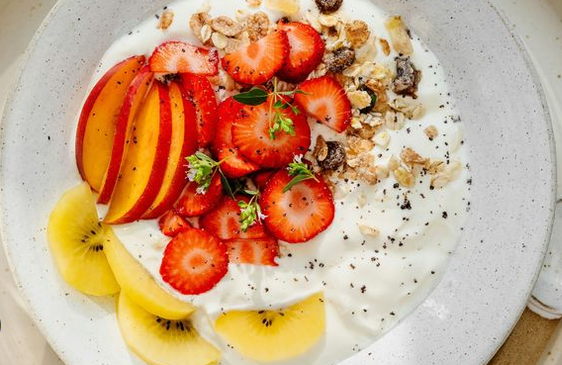
Breakfast is often described as the most important meal of the day, but what matters most is what you eat and how well your meal is balanced. A breakfast made mostly of refined carbohydrates and added sugar may leave you hungry again quickly, while a meal containing protein, fiber, healthy fats, and nutrient-rich carbohydrates can provide longer-lasting energy and help you stay satisfied.
A balanced breakfast does not have to be complicated or expensive. You can build a nutritious morning meal using simple foods such as eggs, whole-grain bread, oats, yogurt, fruit, vegetables, nuts, and seeds.
This guide explains how to make a balanced breakfast, which foods to include, how much to eat, and practical tips for creating healthy meals even when you have a busy schedule.
What Is a Balanced Breakfast?
A balanced breakfast is a meal that provides a combination of important nutrients rather than focusing heavily on just one food group.
A well-rounded breakfast generally includes:
- Protein
- Fiber-rich carbohydrates
- Healthy fats
- Fruits or vegetables
- Fluids
Each component serves a different purpose. Protein helps support muscles and contributes to fullness. Fiber supports digestion and can help you feel satisfied. Carbohydrates provide energy, while healthy fats contribute to satiety and help your body absorb certain nutrients.
The exact amount you need depends on factors such as age, body size, activity level, personal goals, and overall diet. Therefore, a balanced breakfast does not need to contain exactly the same portions for everyone.
Why a Balanced Breakfast Matters
After several hours without food during sleep, breakfast gives you an opportunity to provide your body with nutrients and energy for the morning.
A balanced meal can help you:
- Maintain energy throughout the morning
- Stay satisfied between meals
- Add important vitamins and minerals to your diet
- Increase your intake of fiber
- Include high-quality protein
- Support healthy eating habits
- Reduce dependence on highly processed breakfast foods
Breakfast can also be a convenient opportunity to eat foods that you might otherwise overlook, such as fruit, vegetables, nuts, seeds, or plain yogurt.
However, breakfast is not mandatory for every person. Some people prefer eating later in the day. The important point is that when you do eat breakfast, choosing a balanced combination of foods can make the meal more nutritious.
The Main Components of a Balanced Breakfast
Creating a balanced breakfast becomes much easier when you think of your meal as a combination of several food groups.
1. Include a Good Source of Protein
Protein is one of the most useful components of a satisfying breakfast. It helps support muscles, tissues, enzymes, hormones, and many other functions in the body.
Good breakfast protein sources include:
- Eggs
- Greek yogurt
- Plain yogurt
- Cottage cheese
- Milk
- Beans
- Lentils
- Nuts
- Seeds
- Peanut butter
- Chicken
- Tofu
Eggs are particularly convenient because they can be boiled, scrambled, poached, or made into an omelet with vegetables.
For a simple breakfast, you might combine two eggs with whole-grain toast and a piece of fruit.
2. Choose High-Fiber Carbohydrates
Carbohydrates are an important source of energy, but the type of carbohydrate you choose matters.
Instead of making refined grains and sugary foods the foundation of breakfast, consider higher-fiber options such as:
- Oatmeal
- Whole-grain bread
- Whole-wheat roti
- Whole-grain cereal with little added sugar
- Brown rice
- Quinoa
- Fruits
- Vegetables
- Beans
Oatmeal is an especially flexible breakfast option. You can prepare it with milk or yogurt and add fruit, nuts, and seeds.
Whole-grain carbohydrates generally provide more fiber than refined versions, making them a useful part of a balanced meal.
3. Add Fruits or Vegetables
Fruits and vegetables provide vitamins, minerals, fiber, and other beneficial plant compounds.
Breakfast does not have to be limited to traditional breakfast foods. You can easily include:
- Bananas
- Apples
- Oranges
- Berries
- Mango
- Guava
- Papaya
- Tomatoes
- Spinach
- Cucumbers
- Bell peppers
- Carrots
For example, an omelet containing tomatoes, onions, and spinach can add vegetables to your morning meal.
Alternatively, add sliced banana or berries to oatmeal or yogurt.
4. Include Healthy Fats
Healthy fats can add flavor and help make breakfast more satisfying.
Useful sources include:
- Almonds
- Walnuts
- Peanuts
- Peanut butter
- Chia seeds
- Flaxseeds
- Pumpkin seeds
- Avocado
- Natural nut butters
You do not need large amounts. A small serving of nuts or seeds can complement oatmeal, yogurt, or fruit.
Remember that healthy fats are still energy-dense, so portions matter.
Understanding Breakfast Portions
There is no single perfect breakfast portion for everyone. A person who exercises heavily may need more food than someone with a sedentary lifestyle.
Instead of following rigid measurements, you can use a simple plate-based approach.
The Half-Quarter-Quarter Approach
For a larger breakfast containing several food groups, consider dividing the plate approximately like this:
- Half: fruits and vegetables
- One-quarter: protein-rich foods
- One-quarter: whole-grain or other high-fiber carbohydrates
Then add a modest portion of healthy fat.
This is a general framework rather than a strict rule.
For example, your breakfast could include:
- Half a plate of vegetables and fruit
- Two eggs as the protein source
- One or two slices of whole-grain toast
- A small serving of nuts
Another breakfast might use oatmeal instead of toast and yogurt instead of eggs.
A Simple Hand-Size Portion Guide
Your hands can also provide a convenient way to estimate portions.
For many people, a useful starting point is:
- Protein: about one palm-sized portion
- Whole-grain carbohydrates: about one fist-sized portion
- Fruit: about one fist-sized portion
- Vegetables: one or two fist-sized portions
- Healthy fats: a small thumb-sized portion
These are only general guidelines. Your individual needs may be different.
Healthy Breakfast Food Choices
Eggs
Eggs are versatile and provide high-quality protein. Pair them with vegetables and whole-grain bread or roti for a balanced meal.
Try:
Vegetable omelet + whole-wheat toast + orange
Oatmeal
Oats provide carbohydrates and fiber and can be customized with many nutritious toppings.
Try:
Oatmeal + milk + banana + walnuts + chia seeds
Avoid turning oatmeal into a dessert by adding excessive sugar, syrup, or sweetened toppings.
Yogurt
Plain yogurt can be combined with fruit, oats, nuts, or seeds.
Try:
Plain yogurt + berries + oats + walnuts
If you choose flavored yogurt, check the nutrition label because some varieties contain significant amounts of added sugar.
Whole-Grain Toast
Whole-grain toast is an easy foundation for breakfast.
You can top it with:
- Eggs
- Peanut butter
- Avocado
- Cottage cheese
- Hummus
Pair toast with fruit or vegetables to make the meal more complete.
Fruit
Fruit is an easy way to add fiber and nutrients to breakfast.
Instead of drinking fruit juice, eating whole fruit can be a more filling choice because whole fruit retains its fiber.
Try adding a banana to oatmeal or eating an apple alongside eggs and whole-grain toast.
Examples of Balanced Breakfasts
Breakfast 1: Eggs and Toast
- Two eggs
- One or two slices of whole-grain toast
- Tomato and cucumber
- One piece of fruit
- Water or unsweetened tea
This combination provides protein, carbohydrates, fiber, and micronutrients.
Breakfast 2: Oatmeal Bowl
- Oats
- Milk or plain yogurt
- Banana
- A small amount of walnuts
- Chia or flaxseeds
This is a simple option that can be prepared in advance.
Breakfast 3: Yogurt and Fruit Bowl
- Plain Greek yogurt or plain yogurt
- Berries or another seasonal fruit
- Oats
- A small serving of nuts
- Cinnamon
This breakfast requires little preparation and can be assembled in a few minutes.
Breakfast 4: Vegetable Omelet
- Eggs
- Spinach
- Tomatoes
- Onions
- Bell peppers
- Whole-wheat roti or toast
- Fruit
This is a particularly useful option for people who prefer savory breakfasts.
Breakfast 5: Peanut Butter Toast
- Whole-grain toast
- Natural peanut butter
- Sliced banana
- Plain milk or yogurt
Choose peanut butter without excessive added sugar and pair it with fruit and a protein-rich food.
How to Build a Balanced Breakfast Step by Step
Creating a balanced breakfast does not have to require complicated meal planning.
Step 1: Choose Your Protein
Start by selecting one protein source.
For example:
- Eggs
- Yogurt
- Milk
- Cottage cheese
- Beans
- Peanut butter
Step 2: Add a High-Fiber Carbohydrate
Choose something such as:
- Oats
- Whole-grain bread
- Whole-wheat roti
- High-fiber cereal
Step 3: Add Fruit or Vegetables
Choose at least one fruit or vegetable.
For a sweet breakfast, use banana, berries, apple, or orange.
For a savory breakfast, use tomatoes, spinach, cucumber, onions, or peppers.
Step 4: Add a Small Amount of Healthy Fat
Consider:
- Nuts
- Seeds
- Nut butter
- Avocado
You don’t need to add multiple fat sources to every meal.
Step 5: Choose Your Drink
Water is a simple choice.
You can also have:
- Unsweetened tea
- Unsweetened coffee
- Milk
Try to limit sugary drinks, sweetened coffee beverages, and large amounts of juice.
Common Breakfast Mistakes
Even foods that appear healthy can become less nutritious depending on how they are prepared and combined.
Eating Too Much Added Sugar
Many breakfast cereals, pastries, flavored yogurts, and sweetened drinks can contain considerable amounts of added sugar.
Having these foods occasionally is different from making them the foundation of your everyday breakfast.
Instead, use naturally sweet foods such as fruit to add sweetness.
Skipping Protein
A breakfast consisting mainly of toast, sugary cereal, or a pastry may provide carbohydrates but relatively little protein.
Adding eggs, yogurt, milk, nuts, seeds, or another protein source can make the meal more balanced.
Ignoring Portion Sizes
Healthy foods can still contribute substantial calories when eaten in very large amounts.
For example, nuts, peanut butter, seeds, and avocado are nutritious but energy-dense. Moderate portions can help keep the overall meal balanced.
Drinking Too Many Calories
Large sugary coffees, flavored drinks, and fruit juices can add substantial calories without providing the same fullness as whole foods.
Water, unsweetened tea, or plain coffee can be simpler choices.
Choosing Highly Refined Carbohydrates Too Often
White bread, sweet pastries, sugary cereals, and similar foods can be convenient, but relying heavily on them may make it harder to create a fiber-rich breakfast.
When practical, replace some refined options with whole-grain alternatives.
How to Make Breakfast Healthier Without Making It Complicated
Small changes can significantly improve the nutritional quality of your breakfast.
Instead of:
Sugary cereal + sweetened drink
Try:
Oatmeal + milk + banana + nuts
Instead of:
White toast with a sugary spread
Try:
Whole-grain toast + peanut butter + sliced banana
Instead of:
Pastry and sweet coffee
Try:
Eggs + whole-grain toast + fruit + unsweetened tea
The goal is not perfection. The goal is to create a practical eating pattern that you can maintain.
Balanced Breakfasts for Busy Mornings
A busy schedule is one of the biggest reasons people skip breakfast or choose highly processed convenience foods.
Fortunately, several balanced breakfasts can be prepared quickly.
Overnight Oats
Combine oats, milk or yogurt, fruit, and seeds in a container the night before. Refrigerate overnight and eat in the morning.
Boiled Eggs and Fruit
Prepare several boiled eggs in advance and keep them refrigerated. Pair them with fruit and whole-grain toast when needed.
Yogurt Bowl
Keep plain yogurt, fruit, oats, and nuts available. Combine them in a bowl in just a few minutes.
Peanut Butter Banana Toast
Toast whole-grain bread, add natural peanut butter, and top with banana slices.
Breakfast Wrap
Fill a whole-wheat wrap with scrambled eggs, vegetables, and a small amount of cheese.
How to Prepare Breakfast in Advance
Meal preparation can make healthy eating easier.
Choose one day each week to prepare a few breakfast ingredients.
You can:
- Boil eggs
- Wash and cut vegetables
- Portion nuts and seeds
- Prepare overnight oats
- Wash fruit
- Make homemade oatmeal portions
- Prepare whole-grain breakfast wraps
Store foods appropriately and follow safe food-storage practices, especially for eggs, dairy products, and prepared meals.
What About Coffee and Tea?
Coffee and tea can fit into a balanced breakfast.
The main concern is often what gets added to them.
Large amounts of sugar, flavored syrups, cream, or sweetened condensed milk can substantially change the nutritional profile of a drink.
If you enjoy sweet coffee or tea, gradually reducing the amount of added sugar can make the transition easier.
Milk can also contribute protein and other nutrients.
Should You Eat Breakfast Every Day?
Not necessarily.
Some people naturally prefer breakfast, while others are not hungry early in the morning. Meal timing can vary from person to person.
If you are hungry in the morning, eating a balanced breakfast can be a useful way to begin your day.
If you are not hungry, you do not necessarily need to force yourself to eat a large meal immediately after waking. Your overall dietary pattern matters more than following a universal breakfast rule.
However, people with specific medical conditions, dietary requirements, or medication schedules may have different nutritional needs and should follow advice from an appropriate healthcare professional.
How to Make Breakfast More Filling
If you frequently become hungry shortly after breakfast, look at the overall composition of the meal.
Consider increasing:
- Protein
- Fiber-rich carbohydrates
- Fruits and vegetables
- Appropriate amounts of healthy fats
For example, instead of eating a single slice of toast with jam, you might have whole-grain toast with eggs and fruit.
Instead of eating plain cereal alone, combine a suitable cereal with milk, fruit, and a small amount of nuts.
Tips for a More Balanced Breakfast
Keep these practical tips in mind:
1. Include Protein
Try to include a protein source every morning when possible.
2. Choose Whole Foods More Often
Build your meals around foods such as eggs, oats, fruit, vegetables, yogurt, whole grains, nuts, and seeds.
3. Watch Added Sugar
Check cereals, flavored yogurt, spreads, and drinks for added sugars.
4. Don’t Fear Carbohydrates
Carbohydrates can be part of a healthy breakfast. Focus on higher-fiber options and appropriate portions.
5. Include Variety
Don’t eat exactly the same breakfast every day. Rotating foods helps provide a wider range of nutrients.
6. Drink Enough Fluids
Start the day with water and include other suitable beverages according to your preferences.
7. Prepare Ahead
Preparing ingredients in advance makes balanced choices easier on busy mornings.
8. Keep It Simple
A healthy breakfast does not need expensive superfoods or complicated recipes.
A Simple Balanced Breakfast Formula
If you are unsure what to eat, use this simple formula:
Protein + high-fiber carbohydrate + fruit or vegetable + healthy fat + low-sugar drink
For example:
Eggs + whole-grain toast + tomatoes + avocado + water
Or:
Oatmeal + milk + banana + walnuts + unsweetened tea
Or:
Plain yogurt + fruit + oats + seeds + water
This formula can be adjusted based on your preferences, budget, culture, and dietary needs.
Final Thoughts
A balanced breakfast is less about following strict rules and more about combining different types of nutritious foods in reasonable portions. Start with a source of protein, add a high-fiber carbohydrate, include fruit or vegetables, and consider a small amount of healthy fat.
Simple meals such as eggs with whole-grain toast and vegetables, oatmeal with fruit and nuts, or plain yogurt with fruit and seeds can provide a nutritious foundation for the morning.